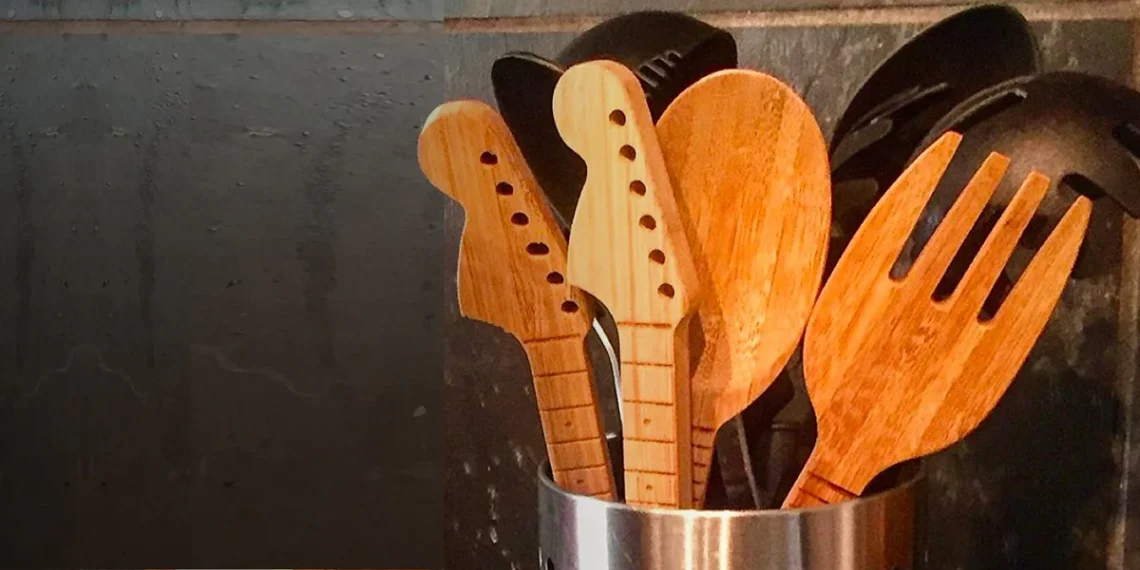
Cooking has a way of revealing what truly matters once the novelty fades. After countless meals, rushed dinners, slow weekends, and ambitious experiments, patterns begin to surface. I noticed that the tools I relied on most were rarely the most complex or expensive ones. Instead, they were the simplest pieces that quietly supported me without demanding attention.
Over time, my kitchen shifted from a collection of gadgets to a carefully edited space. This wasn’t driven by minimalism trends or rules, but by experience. Simpler tools kept showing up, meal after meal, while complicated ones gathered dust. That contrast taught me more about cooking than any instruction manual ever could.
Complexity Promises More Than It Delivers
Many tools arrive with big promises. They claim to save time, increase precision, or unlock professional-level results. In reality, complexity often adds friction before it adds value. Extra settings, attachments, and instructions slow the process instead of streamlining it.
I’ve lost minutes assembling parts, double-checking instructions, and cleaning tiny components. Those minutes add up quickly, especially on ordinary days. Simpler tools avoid that overhead entirely and allow cooking to start immediately.
How Simplicity Supports Flow
Flow matters more in cooking than speed. When tools are intuitive, movements become smooth and uninterrupted. I find that simple tools fade into the background, allowing my attention to stay on ingredients and timing.
Complex tools demand attention. They pull focus away from the food and toward the tool itself. That shift breaks rhythm and makes cooking feel heavier than it needs to be.
Fewer Decisions Mean Less Fatigue
Decision fatigue sneaks into the kitchen quietly. Multiple settings, modes, or attachments require constant choice. Each choice drains a bit of mental energy.
Simple tools remove those decisions. One clear function leads to immediate action. That mental relief keeps energy steady throughout the cooking process.
Reliability Builds Trust
Trust in tools matters. A simple tool does what it’s supposed to do every time. That consistency builds confidence and reduces hesitation.
I’ve noticed that I move faster and more calmly when I trust my tools. Doubt slows everything down. Reliability supports momentum without demanding reassurance.
Simpler Tools Encourage Skill Development
Skill grows through repetition. Simple tools invite frequent use because they’re easy to grab and easy to clean. That frequency builds familiarity and muscle memory.
Complex tools often feel reserved for special occasions. Less use means slower improvement. Simpler tools support steady growth through daily practice.
Maintenance Stays Manageable
Maintenance influences longevity. Tools that require minimal care stay in better condition over time. I’ve found that simpler tools are easier to maintain properly.
Complicated tools often get neglected because upkeep feels tedious. Neglect shortens lifespan and degrades performance. Simplicity protects long-term usefulness.
Storage Shapes Daily Habits
Storage space affects tool choice more than most people realize. Simple tools store easily and fit naturally into small spaces. Accessibility increases use.
Bulky or multi-part tools create storage challenges. When tools are hard to store, they’re less likely to be used. Simplicity keeps tools within reach.
Cleanup Influences Enjoyment
Cleanup is part of cooking, whether we like it or not. Tools that clean easily reduce resistance to cooking. I gravitate toward tools that rinse clean or wipe down quickly.
Complicated tools extend cleanup time. That extra effort lingers mentally and affects willingness to cook again. Simple tools keep the entire process lighter.
How Simplicity Reduces Stress
Stress often comes from managing too many variables. Simple tools reduce those variables. They behave predictably and remove surprises.
Predictability creates calm. Calm improves focus. Focus leads to better results with less effort.
Cost Efficiency Over Time
Simple tools often cost less upfront, but their real value shows over time. Durability and consistent use stretch their worth. I’ve replaced complex tools far more often than simple ones.
Frequent replacement adds hidden costs. Longevity matters more than features. Simple tools tend to last.
Versatility Beats Specialization
A simple tool often serves multiple purposes. One pan can sauté, sear, bake, and simmer. One knife can handle countless prep tasks.
Specialized tools narrow possibilities. Versatility expands them. Simpler tools adapt to creativity rather than limiting it.
The Illusion of Professional Results
Complex tools often promise professional outcomes. In reality, professionals rely heavily on simple, well-made tools. Skill matters more than features.
I’ve learned that technique elevates results more than equipment. Simple tools allow technique to shine. Complexity often masks gaps instead of addressing them.
Time Pressure Reveals True Preferences
Busy days expose which tools matter. Under time pressure, I reach for the simplest options. Convenience becomes essential.
Tools that complicate the process get ignored. Simpler tools thrive in real-world conditions. They support everyday cooking, not idealized scenarios.
Physical Comfort and Control
Simple tools often offer better control. Fewer parts mean clearer feedback through the hands. That feedback improves precision.
Complex tools can feel disconnected. Reduced tactile feedback affects accuracy. Control supports confidence and speed.
Teaching and Sharing Cooking
Simple tools make cooking more accessible to others. Teaching becomes easier when tools behave intuitively. Shared kitchens benefit from clarity.
Complex tools require explanation. That slows collaboration. Simplicity supports social cooking experiences.
Fewer Fail Points
Every added component introduces a potential failure. Simple tools have fewer things that can break. Reliability increases as complexity decreases.
Breakdowns interrupt cooking and demand fixes. Simple tools quietly keep working. That dependability builds trust.
Habit Formation and Consistency
Habits form around ease. Simple tools encourage repetition. Repetition builds routines.
Routines reduce effort. Reduced effort increases consistency. Consistency improves results over time.
How Simpler Tools Shape Creativity
Creativity often thrives within constraints. Simple tools provide gentle boundaries without imposing rules. Those boundaries encourage problem-solving.
Complex tools dictate methods. Simplicity invites experimentation. Freedom supports imagination.
Emotional Connection to Familiar Tools
Familiar tools feel comforting. Simple tools age gracefully and develop character. That familiarity deepens attachment.
Attachment encourages care. Care extends lifespan. Emotional connection enhances satisfaction.
Avoiding the Trap of Accumulation
Accumulation often follows the belief that more tools equal better cooking. Experience taught me otherwise. Too many tools create clutter and distraction.
Simpler setups feel calmer. Calm supports focus. Focus improves outcomes.
Skill Transfer Across Recipes
Simple tools apply across cuisines and techniques. Skills transfer easily when tools remain consistent. I can adapt recipes quickly without re-learning equipment.
Specialized tools lock skills into narrow contexts. Simplicity keeps skills flexible. Flexibility supports growth.
The Psychology of Flavor: Why Some Meals Feel More Satisfying
Flavor perception extends beyond taste buds. The cooking experience shapes satisfaction. Simpler tools reduce mental clutter and stress during preparation.
Calm focus improves seasoning decisions and timing. Confidence enhances sensory awareness. Meals feel more satisfying when the process feels right.
Final Thoughts
Simplicity isn’t about limitation. It’s about clarity, trust, and ease. Simple tools support cooking as it actually happens, not as it’s marketed.
Over time, the tools that remain are the ones that work quietly and consistently. They save energy, build skill, and make cooking feel natural. In my kitchen, simpler tools haven’t just worked best, they’ve stayed.