Cooking doesn’t start with recipes or techniques. It starts with what’s already in the kitchen and how comfortable those tools feel in your hands. I’ve noticed that beginners often feel overwhelmed not because cooking is difficult, but because they’re surrounded by tools that don’t actually help them cook better. Too many options create confusion, hesitation, and unnecessary pressure before the stove is even turned on.
Over time, I’ve learned that the right early tools don’t need to be impressive or expensive. They need to be reliable, forgiving, and easy to understand. When beginners focus on a small group of foundational tools, progress happens faster and confidence grows naturally. Everything else can come later.
Why Starting With Fewer Tools Builds Confidence
Confidence grows through repetition, not variety. Beginners benefit from using the same tools repeatedly because familiarity removes fear. Each successful meal reinforces the idea that cooking is manageable.
A crowded kitchen works against that process. Switching between tools interrupts learning and slows muscle memory. Fewer tools allow beginners to focus on technique instead of equipment.
The Importance of Tools That Forgive Mistakes
Mistakes are inevitable early on. Tools that punish small errors make cooking stressful. Forgiving tools absorb those mistakes and keep the process moving.
A pan that distributes heat evenly or a knife that feels stable reduces the impact of imperfect technique. Beginners stay motivated when mistakes don’t ruin meals. Motivation keeps practice consistent.
A Reliable Chef’s Knife as the Foundation
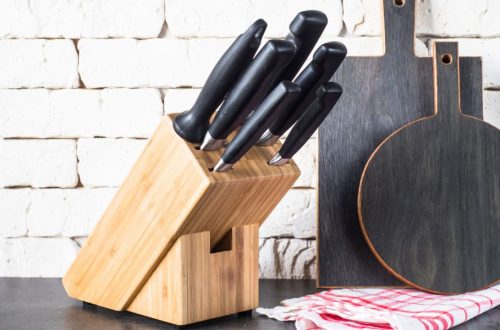
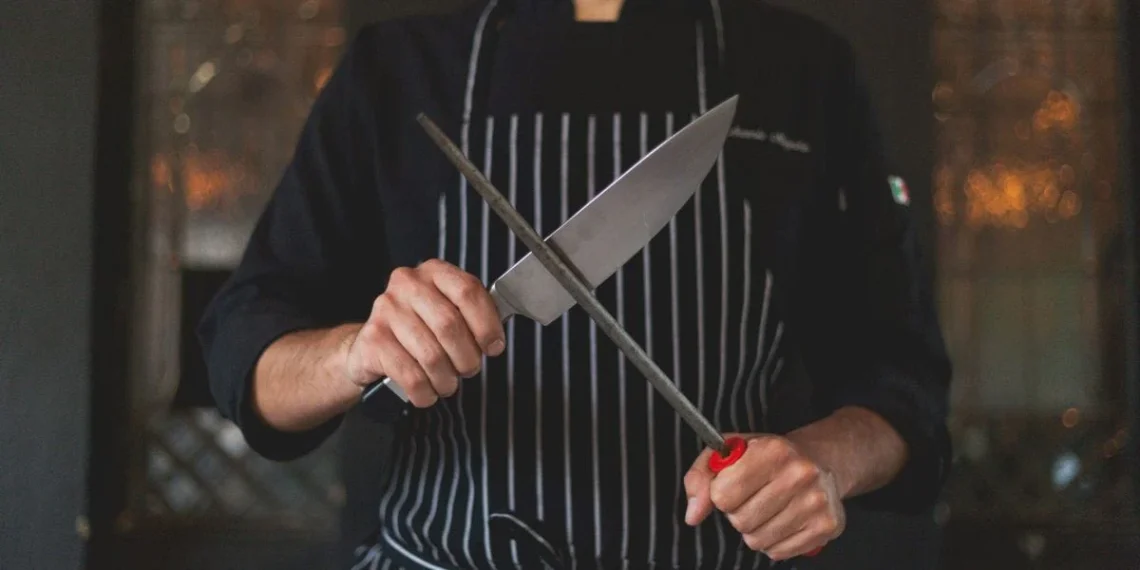
One solid chef’s knife matters more than a full knife set. I’ve seen beginners struggle with dull or awkward knives, blaming themselves for poor results. Once a comfortable, sharp knife enters the picture, prep becomes smoother immediately.
This knife doesn’t need to be expensive. It needs to feel balanced and safe. A reliable knife builds confidence and improves every recipe that follows.
A Sturdy Cutting Board That Stays Put
Cutting boards rarely get attention, but beginners notice them quickly when they slide around. Stability matters for safety and efficiency. A board that stays in place allows focus to stay on cutting rather than control.
Material matters less than function at this stage. A board that’s easy to clean and gentle on knives supports daily use. Consistent prep surfaces help build confidence.
One Versatile Pan That Does Most of the Work
Beginners don’t need multiple pans to succeed. One versatile pan handles sautéing, frying, simmering, and even baking. Familiarity with one pan teaches heat control faster than switching constantly.
Using the same pan builds intuition. Beginners learn how food behaves in that pan. That knowledge transfers across recipes.
A Medium Saucepan for Basic Cooking
A medium saucepan quietly supports many beginner meals. Boiling pasta, cooking rice, warming sauces, and making simple soups all rely on it. It introduces control over liquid-based cooking.
This tool helps beginners understand simmering, boiling, and timing. Mastering these basics builds confidence quickly. Complexity can wait.
Measuring Tools That Reduce Guesswork
Early cooking benefits from clarity. Measuring cups and spoons remove uncertainty and help beginners replicate results. Consistency builds trust in the process.
Over time, measurements may feel less necessary, but early accuracy matters. Reliable measuring tools support learning without frustration. They make progress visible.
A Simple Wooden Spoon or Spatula
Stirring seems basic, but the right utensil matters. A wooden spoon or heat-safe spatula offers control and durability. Beginners rely on them constantly.
These tools introduce stirring, scraping, and folding without complication. They withstand mistakes without damage. Familiarity builds comfort.
A Heat-Resistant Silicone Spatula for Flexibility
Silicone spatulas add versatility without complexity. They work across temperatures and surfaces. Beginners benefit from tools that adapt easily.
This tool supports sautéing, baking, and mixing. Fewer transitions between utensils keep cooking smooth. Smooth experiences encourage consistency.
A Basic Baking Sheet for Multiple Uses
Baking sheets aren’t only for baking. Roasting vegetables, cooking proteins, and even prepping ingredients rely on them. Beginners appreciate tools that serve multiple purposes.
This versatility reduces clutter. Fewer tools mean fewer decisions. That simplicity helps beginners stay focused.
Mixing Bowls That Feel Comfortable
Mixing bowls support prep, baking, and organization. A small set covers most beginner needs. Comfort matters more than quantity.
Bowls that feel stable and easy to clean get used often. Frequent use builds familiarity. Familiarity builds confidence.
A Colander or Strainer for Everyday Tasks
Draining pasta and washing produce are everyday actions. A simple colander handles both. Beginners benefit from tools that solve common problems easily.
Reliable draining prevents messes. Clean transitions between steps reduce stress. Stress-free cooking supports learning.
Why Beginners Should Avoid Specialty Tools Early On
Specialty tools promise shortcuts but often complicate learning. They introduce steps and cleanup that distract from fundamentals. Beginners benefit more from mastering basics.
Early reliance on gadgets can slow skill development. Simple tools encourage hands-on learning. That learning builds transferable skills.
How Tool Comfort Affects Safety
Safety concerns often discourage beginners. Tools that feel unstable increase anxiety. Comfortable tools reduce fear and allow focus to stay on technique.
Safety improves with familiarity. Familiarity grows through repeated use of the same tools. Consistency supports confidence.
Storage Simplicity Supports Practice
Beginner kitchens often have limited space. Tools that store easily get used more often. Accessibility encourages practice.
Clutter discourages cooking. Simple tool sets create calm environments. Calm supports learning.
Cleanup Ease Keeps Motivation High
Cleanup affects willingness to cook again. Tools that clean easily reduce resistance. Beginners stay motivated when the entire process feels manageable.
Complex cleanup discourages practice. Simple tools support consistency. Consistency drives improvement.
Budget Awareness Without Sacrificing Quality
Beginners don’t need expensive tools. They need reliable ones. Spending wisely on a few essentials delivers better results than spreading budget thinly.
Quality matters where tools get constant use. Durable basics outlast flashy gadgets. Longevity supports long-term growth.
How Familiar Tools Build Muscle Memory
Muscle memory forms through repetition. Using the same tools daily reinforces technique. Beginners develop instincts faster with consistency.
Switching tools resets progress. Familiar tools accelerate learning. Learning builds confidence.
Encouraging Experimentation Without Pressure
Simple tools invite experimentation. Beginners feel freer to try new recipes when tools behave predictably. Predictability reduces fear of failure.
Fearless cooking accelerates growth. Growth builds enjoyment. Enjoyment sustains interest.
Teaching and Sharing Cooking With Others
Beginner-friendly tools make cooking social. Shared meals and collaborative cooking feel easier when tools are intuitive. Clear tools reduce explanations.
Social cooking builds confidence. Confidence encourages practice. Practice improves skill.
Avoiding the Comparison Trap
Beginners often compare their kitchens to online images. That comparison creates unnecessary pressure. Progress doesn’t require a perfect setup.
Focusing on essential tools grounds expectations. Realistic setups support real learning. Learning happens through use, not appearance.
Gradual Expansion Over Time
Tool collections grow naturally with experience. Early focus on essentials prevents regretful purchases. Experience guides future decisions.
Beginners benefit from patience. Tools added later feel purposeful. Purpose improves satisfaction.
The Psychology of Flavor: Why Some Meals Feel More Satisfying
Satisfaction comes from more than taste. Confidence during cooking influences perception of flavor. Beginners enjoy meals more when the process feels successful.
Simple tools reduce mental clutter. Reduced clutter sharpens attention to seasoning and texture. That attention improves satisfaction.
Final Thoughts
Beginners don’t need everything. They need the right things. A small set of reliable tools supports learning, confidence, and consistency.
Focusing on foundational tools builds skills that last. Everything else becomes optional once the basics feel natural. In the end, the best tools are the ones that make cooking feel possible, not intimidating.