The first time most people cook a Wagyu steak at home, they ruin it the same way. They pull it from the fridge, let it sit for twenty minutes the way every cooking show told them to, get the cast iron screaming hot, and then cook it like a New York strip. Four minutes per side, maybe a butter baste. The crust looks right. The inside is fine. But something is off, and they can’t name it.
What went wrong was the fat.
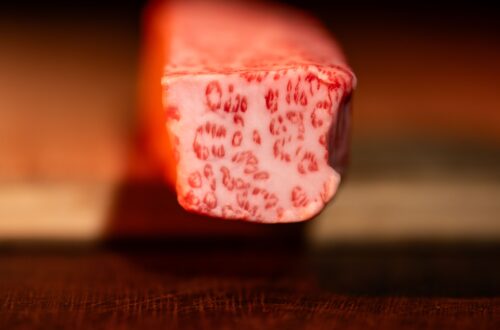
Wagyu beef the term covers Japanese cattle breeds raised for exceptional intramuscular fat doesn’t behave like commodity beef. That marbling isn’t decoration. It’s a structural feature that changes how the meat cooks, how it holds heat, and how long it needs in the pan. The fat in heavily marbled Wagyu begins to render at a lower temperature than standard beef fat. That’s the whole point of the animal. And it’s also exactly why the techniques that work on a USDA Choice ribeye will let you down here.
Here’s where most home cooks go sideways: they apply full heat for full time, and they end up with a steak that’s technically cooked but texturally heavy, with pools of half-rendered fat that feel greasy rather than silky. The Maillard reaction on the crust happened. The inside reached temperature. But the fat never fully melted into the muscle. You spent a significant amount of money on a steak that cooked like a lesser one.
What the Heat Is Actually Doing
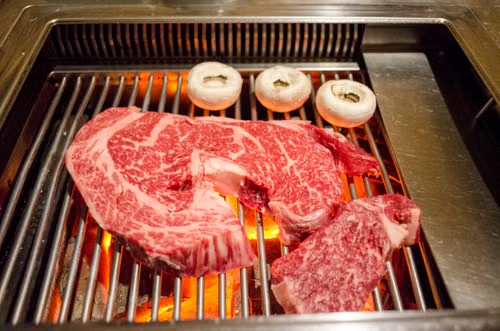
Wagyu rewards medium heat over high heat in a way that surprises people who’ve spent years building fond on a ripping-hot pan. You want the cast iron hot enough to sear, but not so aggressive that the exterior chars before the interior fat has time to move. Think of it less like searing a steak and more like rendering a duck breast: you’re coaxing fat through tissue while also building color. The two goals run at slightly different speeds, and your job is to keep them in sync.
A useful target for the pan: hot enough that a drop of water evaporates immediately, but not so hot that it smokes before the steak lands. Medium-high on most home burners, not the highest setting you have. If your cast iron is throwing visible smoke before the steak goes in, turn it down and give it a minute.
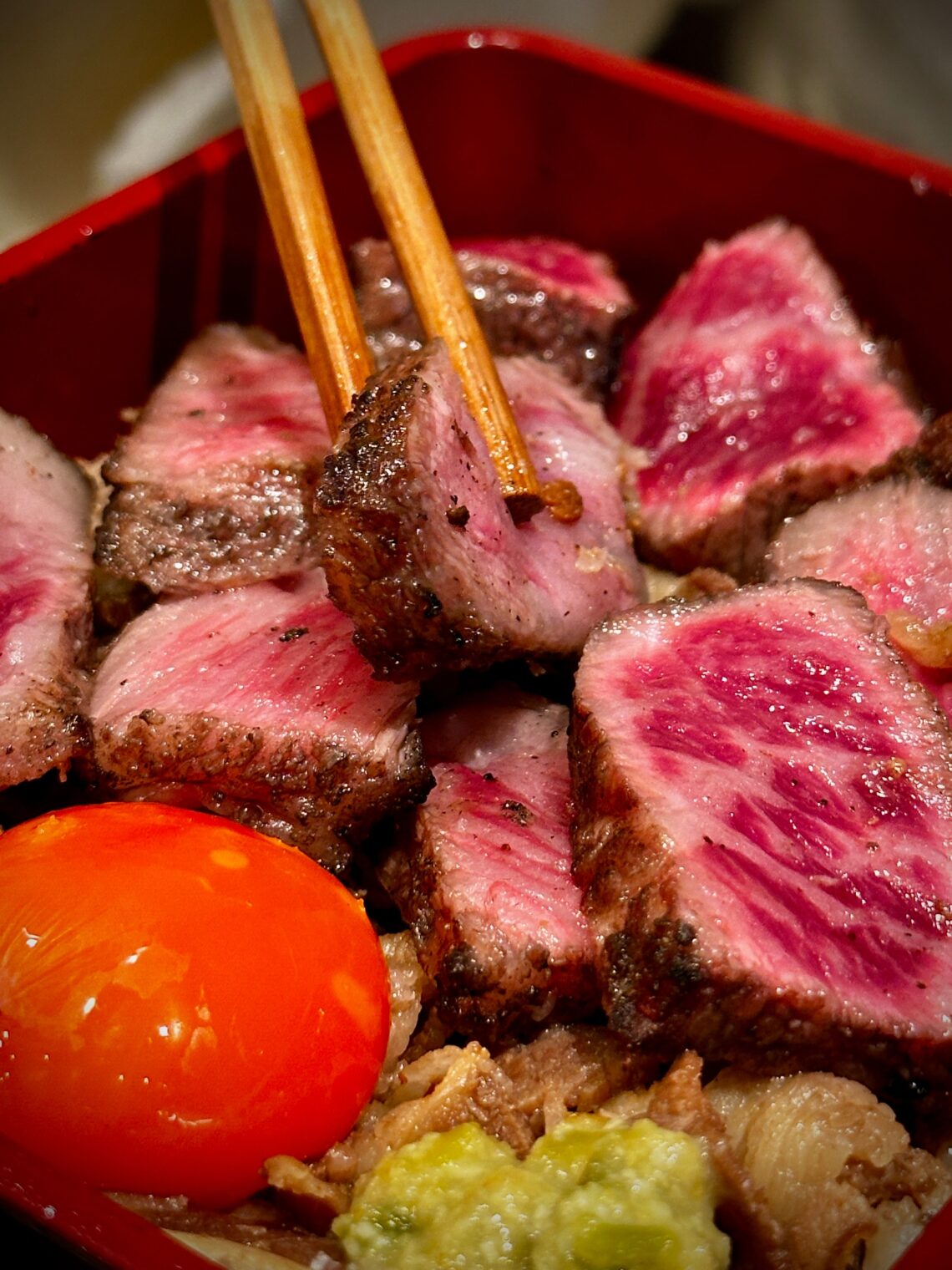
The other thing Wagyu demands is a shorter cook. Because the fat conducts heat through the meat differently than muscle fiber alone, internal temperature climbs faster than you’d expect. A thick American Wagyu ribeye, say, an inch and a quarter, can hit medium-rare in noticeably less time than a conventional steak of the same thickness. An instant-read thermometer is not optional here. Pull it at 125°F and let carryover do the final work.
On the Question of Seasoning
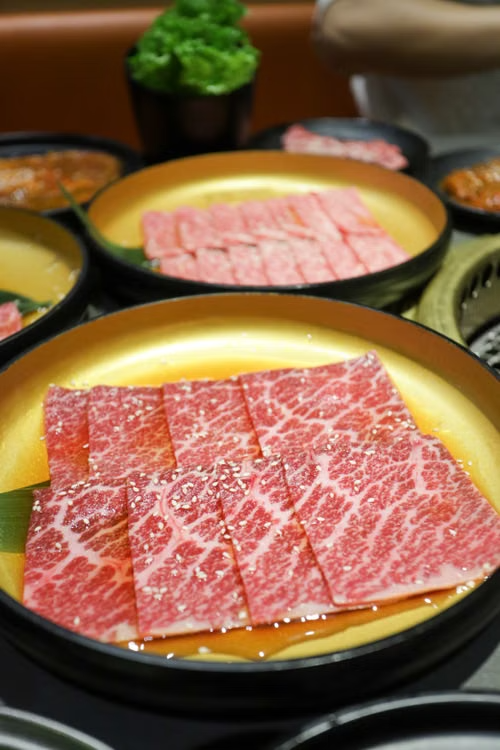
Salt, and not much else. This is one of those places where restraint is the technique.
Heavily marbled Wagyu has a flavor profile that is already doing a great deal of work. The fat carries compounds that taste faintly of butter, of cream, of something almost sweet. Adding a heavy herb crust or a pungent marinade doesn’t enhance that;i t competes with it. A good kosher salt, applied about forty-five minutes before cooking and then patted dry, is the right move. Some cooks add a little cracked black pepper just before the steak hits the pan. That’s fine. Beyond that, the steak is telling you to get out of its way.
One thing worth knowing: Wagyu doesn’t need butter basting the way a leaner steak does. Basting exists, in part, to add fat and moisture to a cut that doesn’t have much of its own. Wagyu has plenty. You can baste if you want the ritual of it, but understand that you’re adding to a surplus, not filling a gap.
Resting, and Why It Matters More Here
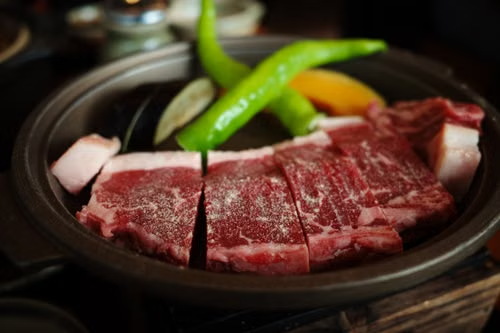
Every steak benefits from rest. With Wagyu, it’s not negotiable.
The rendered fat in a heavily marbled steak needs time to redistribute after the heat stops. Cut it immediately, and you lose that fat onto the cutting board instead of back into the muscle fibers. Five minutes on a warm plate, loosely tented, not wrapped, which traps steam and softens the crust, is enough for a steak under an inch and a half. Give a thicker cut seven or eight minutes.
And cut against the grain. This is standard advice for any steak, but with Wagyu the payoff is more noticeable because the grain runs through so much fat. Cut with the grain, and each bite requires more chewing than it should. Cut against it, and the texture becomes what Wagyu is actually known for: tender enough to feel almost yielding, with fat that dissolves rather than chews.
On Portion Size
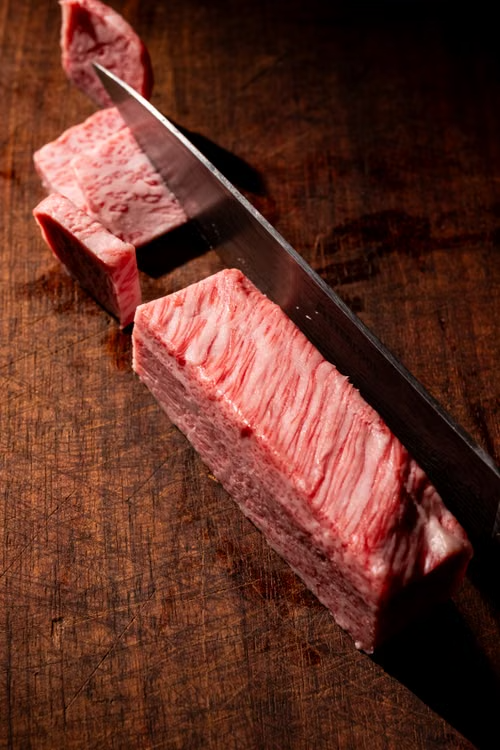
This is the part people resist. A proper serving of high-grade Wagyu is smaller than you think. Because the fat content is so high, the meat is genuinely rich in a way that regular beef is not. A four-to-six-ounce portion satisfies in a way that an eight-ounce conventional steak might not, because richness hits the palate differently than volume.
If you’ve bought a larger cut, consider slicing it thin after resting and serving it across the plate rather than as a single thick slab. This is how Wagyu is often served in Japanese steakhouses, and the reason is practical: it distributes the richness across more bites and lets you actually taste the fat rather than overwhelm yourself with it.
A twelve-ounce Wagyu ribeye, sliced thin and fanned across a warm plate with nothing but finishing salt, is a better meal than the same steak left whole and eaten in four bites. That’s not restaurant pretension. It’s just how the fat works.
The Pan Matters Too
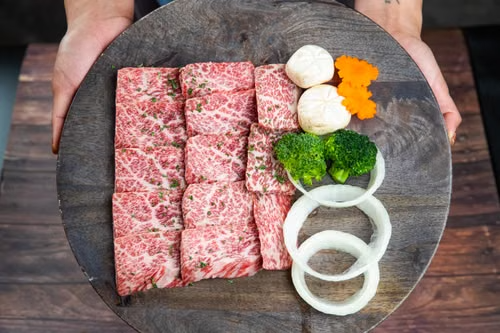
Cast iron is the right tool, and not just because it holds heat. The seasoned surface of a well-used cast iron creates a sear with less sticking risk than stainless, and it distributes heat in a way that suits Wagyu’s slower rendering process. Carbon steel works equally well if that’s what you have.
What you want to avoid is a nonstick pan. The coatings on most nonstick cookware aren’t rated for the temperatures you need to build a proper crust, and the surface doesn’t promote the same kind of browning. Wagyu deserves a crust. Don’t talk yourself out of it with the wrong pan.
Skip the oil entirely, or use just a few drops. The steak will provide its own fat within the first minute in the pan, and from that point on it’s essentially cooking in itself. This is, come to think of it, one of the more elegant things about cooking Wagyu: the steak is largely self-sufficient. You just have to not interfere too much.
That’s the whole lesson, really. Wagyu rewards the cook who does less.
Sources
Background on Wagyu cattle breeds, marbling characteristics, and fat composition
Food science background on browning and crust formation referenced in the cooking technique section
This article was created with AI assistance and reviewed for clarity and accuracy.