Cooking style reveals itself long before a dish reaches the table. It shows up in how I move around the kitchen, how much planning I enjoy, and how I react when something goes off script. Over time, I realized that many of my frustrations weren’t about recipes or skill level, but about tools that didn’t fit the way I naturally cook. Once my tools began to align with my habits, cooking became smoother, faster, and far more enjoyable.
Tools influence rhythm, confidence, and even creativity. A mismatch forces constant adjustment, while a good match disappears into the background. This article explores how I’ve learned to recognize my cooking style and select tools that support it instead of fighting against it.
Recognizing Your Natural Rhythm in the Kitchen
Every cook has a rhythm, whether they notice it or not. Mine became clear after paying attention to how I move during prep and cooking. Some days I flow easily from task to task, while other days I feel boxed in by clutter or awkward tools. Those differences usually trace back to whether my tools fit my pace.
Fast, instinctive cooks tend to benefit from tools that respond immediately. Slower, methodical cooks often prefer tools that encourage precision and structure. Neither style is better. Matching tools to rhythm prevents unnecessary friction and keeps momentum intact.
How Daily Habits Shape Tool Needs
Daily habits reveal more than occasional projects. I noticed that the tools I reached for most often reflected how I actually cook, not how I imagined I should cook. A pan that lived on the stove told me more than a gadget buried in a drawer.
Looking honestly at daily patterns removes pressure to own everything. Tools that support frequent tasks deserve priority. Tools meant for rare scenarios can wait or disappear entirely.
Minimalist Cooking and Tool Simplicity
Some cooks thrive with very few tools. I go through phases where simplicity feels freeing. Fewer tools mean fewer decisions and less cleanup. In those moments, versatility matters more than specialization.
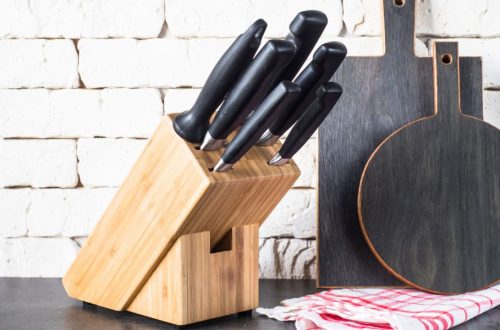
A minimalist setup favors tools that adapt easily. One good knife, one reliable pan, and a sturdy cutting board can handle countless meals. Simplicity keeps focus on ingredients and technique rather than equipment.
Tool Choices for Structured and Planned Cooks
Other times, structure brings comfort. Planned cooks enjoy clear steps and defined roles for tools. Measuring tools, dedicated utensils, and specific cookware support that mindset. Precision tools reduce uncertainty.
For this style, clarity matters. Tools with clear markings, consistent performance, and predictable outcomes feel reassuring. Organization becomes part of the cooking process, not a distraction.
Cooking Style and Physical Comfort
Physical comfort often gets overlooked. Hand size, strength, and posture affect tool satisfaction. I’ve learned that a tool praised by others may still feel wrong in my hand. That mismatch slows me down.
Comfort supports endurance. If a tool causes strain, cooking becomes tiring faster. Matching tools to physical comfort keeps sessions enjoyable and sustainable.
How Confidence Influences Tool Selection
Confidence grows when tools behave as expected. Early on, I blamed myself for mistakes caused by awkward equipment. Once I replaced those tools, my confidence improved quickly. That boost encouraged experimentation.
Tools that inspire trust reduce hesitation. Reduced hesitation speeds decision-making. Confidence and efficiency reinforce each other.
Creative Cooks and Flexible Tools
Creativity thrives on flexibility. When I feel playful in the kitchen, I reach for tools that adapt easily. Adjustable tools, multi-use utensils, and forgiving cookware support improvisation.
Rigid tools can feel restrictive during creative sessions. Flexibility allows ideas to evolve without technical barriers. That freedom keeps cooking exciting.
Routine-Focused Cooks and Consistency
Routine-oriented cooks benefit from consistency. Tools that deliver the same result every time support that preference. Predictability reduces mental load.
Consistency makes meal repetition comforting rather than boring. Reliable tools reinforce routines. Routines save time and energy over the long term.
Space Constraints and Tool Decisions
Kitchen size plays a role in tool harmony. In smaller spaces, every tool must justify its footprint. I’ve learned to favor compact tools that store easily and serve multiple purposes.
Crowded spaces amplify frustration. Streamlined tool sets preserve flow. Space-conscious decisions improve both efficiency and mood.
Emotional Connection to Tools
Some tools carry emotional weight. A pan inherited from family or a knife used for years builds attachment. That connection influences enjoyment and confidence.
Emotionally familiar tools often feel easier to use. Comfort encourages practice. Practice deepens skill. Emotional resonance quietly supports growth.
Cleaning Preferences and Tool Enjoyment
Cleanup tolerance shapes tool satisfaction. I know I avoid tools that require tedious cleaning, regardless of performance. Tools that clean easily get used more often.
Enjoyment includes the entire process. Tools that complicate cleanup add hidden resistance. Matching tools to cleaning preferences keeps cooking sessions lighter.
Time Constraints and Tool Efficiency
Time pressure reveals true preferences. On busy days, I gravitate toward tools that deliver results quickly without setup. Efficiency matters more than novelty.
Tools that slow me down get ignored under pressure. Matching tools to realistic time constraints prevents frustration. Efficiency aligns with daily life.
Skill Level and Tool Complexity
Complex tools demand skill and patience. Simple tools encourage practice. Early in skill development, forgiving tools build confidence. As skills grow, preferences may shift.
Tool complexity should match current comfort, not aspirational identity. Growth happens naturally over time. Tools can evolve alongside skill.
Budget Awareness and Long-Term Satisfaction
Budget influences decisions, but value matters more than price. I’ve learned that fewer high-quality tools often outperform many cheap ones. Longevity adds value beyond initial cost.
Thoughtful investment prevents repeated replacements. Tools that last build familiarity. Familiarity enhances efficiency.
How Tools Shape Cooking Identity
Tools influence how I see myself as a cook. Certain tools encourage experimentation, while others support tradition. Identity shifts subtly through daily use.
Matching tools to identity reinforces confidence. Confidence invites consistency. Consistency builds satisfaction.
Observing Frustration as a Signal
Frustration signals misalignment. Whenever I feel annoyed mid-cooking, I pause to identify the cause. Often, a tool is fighting my natural movement.
Listening to frustration reveals needed changes. Replacing or removing problematic tools restores flow. Awareness improves decision-making.
Adaptability Over Time
Cooking style evolves. Life changes, schedules shift, tastes mature. Tools that once felt perfect may lose relevance. Periodic reassessment keeps alignment intact.
Adaptability prevents stagnation. Tools should serve current needs, not past habits. Flexibility supports long-term enjoyment.
Social Cooking and Tool Sharing
Cooking for others introduces new dynamics. Tools that work well solo may feel limiting when shared. I’ve learned to consider how tools function during collaborative cooking.
Shared spaces benefit from intuitive tools. Ease of use reduces coordination stress. Social cooking thrives on clarity.
Storage Habits and Accessibility
Accessibility influences use. Tools stored conveniently get used more often. I pay attention to which tools earn permanent counter space.
Storage habits reveal priorities. Tools buried away fade from routine. Accessibility aligns tools with daily behavior.
Balancing Aspiration and Reality
It’s tempting to buy tools for the cook I want to become. I’ve done that more times than I’d like to admit. Those tools often gather dust.
Balancing aspiration with reality prevents regret. Practical tools support growth better than fantasy purchases. Growth feels more satisfying when it’s organic.
The Psychology of Flavor: Why Some Meals Feel More Satisfying
Tools influence perception of flavor indirectly. Smooth prep reduces mental noise. Reduced noise allows attention to seasoning and timing.
Confidence in tools sharpens sensory awareness. That awareness enhances satisfaction. Meals taste better when the process feels right.
Final Thoughts
Choosing tools that match cooking style isn’t about trends or rules. It’s about honesty, observation, and willingness to adapt. Tools should support natural habits, not force new ones prematurely.
Alignment creates flow. Flow saves time, reduces stress, and increases joy. When tools and style work together, cooking feels less like a task and more like a natural extension of daily life.