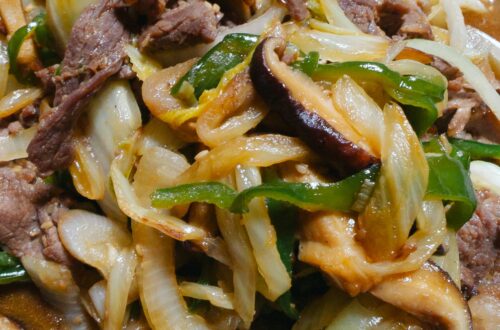
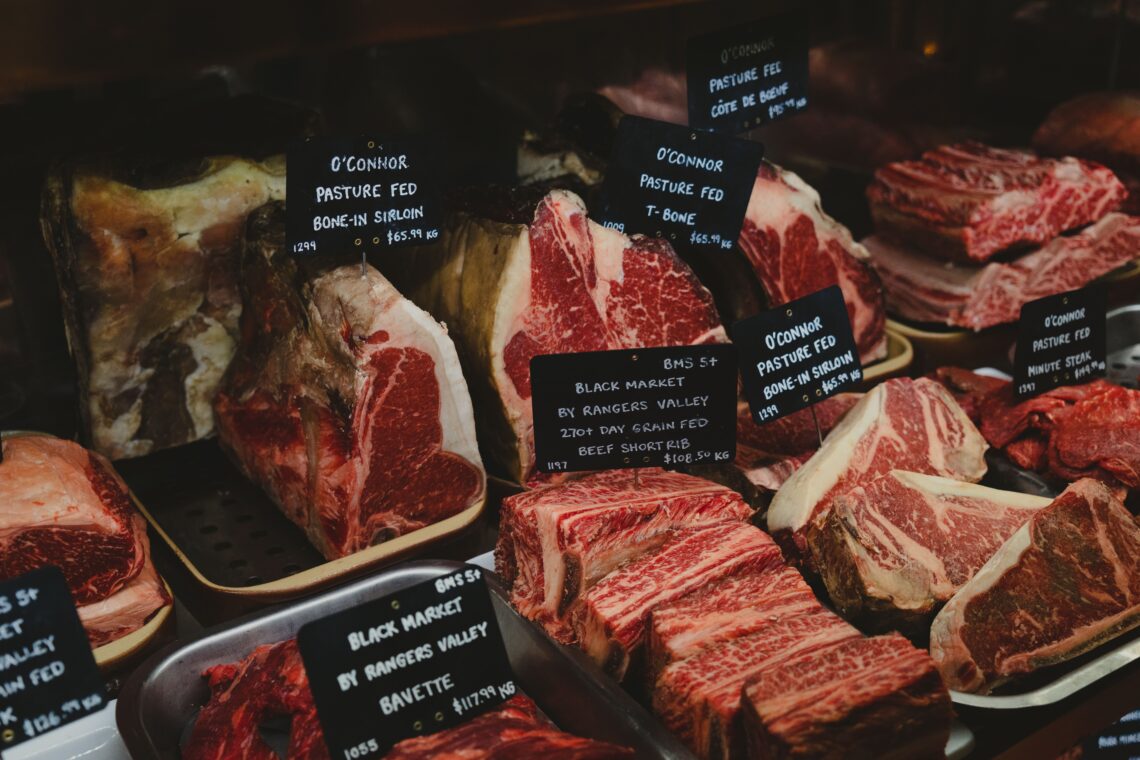
Of all the lies the steakhouse industry ever sold us, the biggest one is this: that flavor lives at the top of the price range. It doesn’t. Some of the most intensely beefy, deeply satisfying meals you’ll ever put on a weeknight table come from cuts that cost less than a bag of dog food. The trick isn’t finding cheap beef. It’s knowing which cheap cuts behave like expensive ones and why.
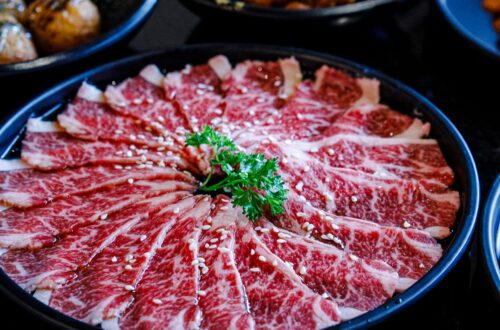
Wagyu gets its reputation from fat, specifically from intramuscular fat woven so fine and so evenly through the muscle that it melts at a lower temperature than ordinary beef fat, coating every bite with a buttery richness before you’ve even chewed. That marbling is real, and it’s genuinely extraordinary. Several everyday cuts at your grocery store marble nearly as well, for a fraction of the cost. They just require a different approach.
The Cut That Does the Most Work
Chuck is the workhorse of the beef world, and it’s been unfairly dismissed as “pot roast meat” for decades. The shoulder region where chuck comes from is heavily exercised, which means it carries more fat and more collagen than the loin, and in low-and-slow cooking, that collagen converts to gelatin, giving braised chuck a silky, almost luxurious body that loin roasts simply can’t match. A chuck roast cooked low for three to four hours in a Dutch oven with aromatics and a splash of red wine produces something that has no right being as good as it is for the price.
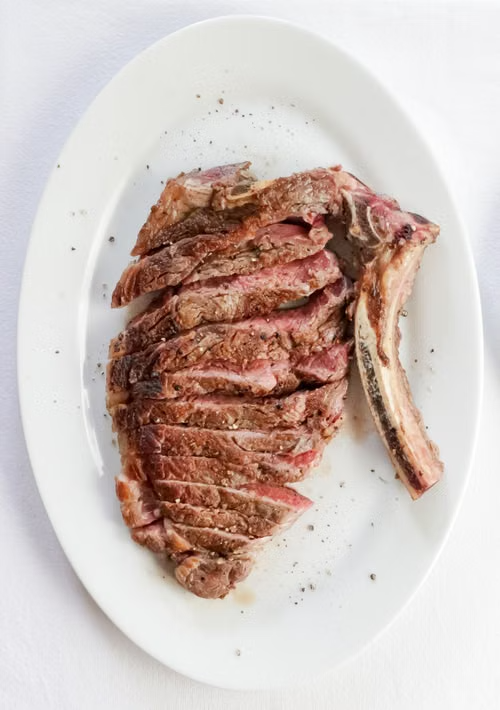
Chuck isn’t only a braise. Flat iron steak is cut from the shoulder blade and, after the tough center sinew is removed, is one of the most tender cuts on the animal. It takes a hot pan beautifully. Sear it in a cast iron skillet over high heat, pull it at 130°F on an instant-read thermometer, rest it for five minutes, and slice it thin against the grain. The result has a mineral depth and a slightly chewy, satisfying bite that a $45 filet honestly doesn’t.
Short Ribs
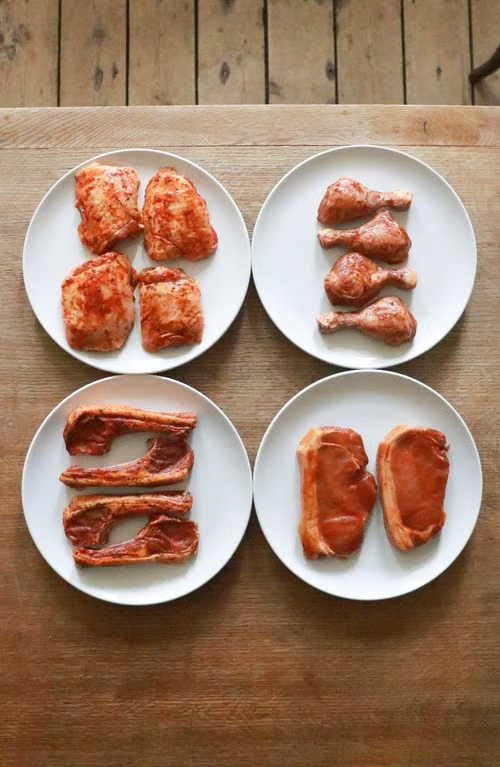
Bone-in beef short ribs are one of the few cuts where the budget version is arguably better than the premium one. They’re fattier than prime rib, more collagen-rich than brisket, and when braised or slow-cooked,d they produce a sauce that thickens itself. The bones add body. The marbling keeps the meat moist even after hours of heat. And the flavor, that deep, almost sweet beefiness, is exactly what expensive restaurant short ribs taste like, because it is exactly what they are. The restaurant is just charging you for the ambiance.
For a weeknight version, sear the short ribs hard on all four sides in a heavy pot, then add onion, garlic, canned tomatoes, and enough beef broth to come halfway up the meat. Low oven, covered, for two and a half to three hours. You will not miss Wagyu. You will, in fact, wonder why you ever paid more.
The Science Behind Why This Works
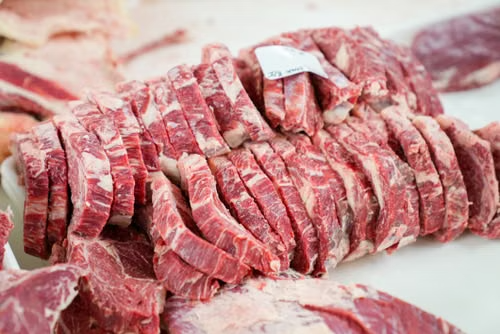
The Maillard reaction doesn’t care what you paid for the meat. At around 300°F at the surface, amino acids and sugars begin to react and produce hundreds of new flavor compounds: the crust, the fond, the smell that makes people walk into a kitchen and ask “what’s for dinner?” That reaction happens on a $6-per-pound skirt steak just as readily as it does on a $90 tomahawk. What you’re buying with the expensive cut is tenderness and fine marbling. What you’re creating with proper technique is flavor.
Skirt steak comes from the diaphragm and is coarser-grained than most cuts, which means it absorbs marinades exceptionally well. An hour in olive oil, garlic, lime juice, and a pinch of cumin transforms it. Sear it hard, two to three minutes a side over the highest heat your pan can hold, and rest it longer than you think you need to, at least seven minutes. Slice thin against the grain. The fibers are long, so cutting with them produces tough, stringy bites; against the grain shortens those fibers and suddenly the same piece of meat is tender.
Hanger Steak and the Butcher’s Advantage
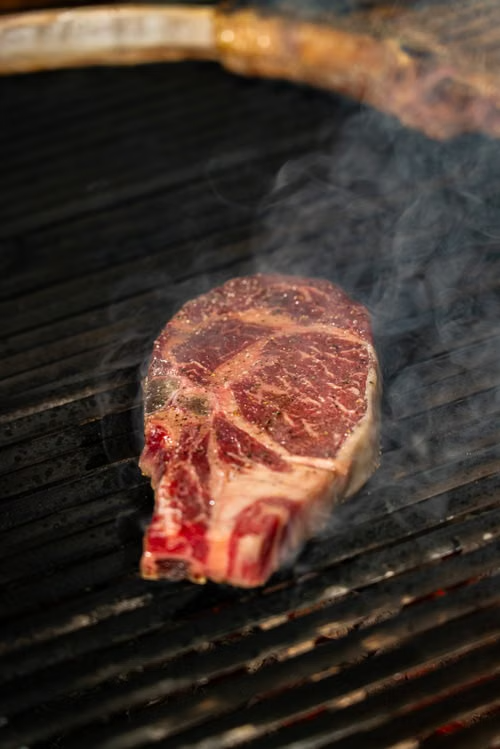
Hanger steak used to be called “the butcher’s secret” because butchers took them home rather than putting them in the case. There’s only one hanger per animal, which kept supply low and awareness lower. It hangs from the diaphragm, near the kidneys, and has a slightly offal-adjacent depth of flavor that sounds like a warning but tastes like a reward. If you’ve had steak frites at a French bistro and thought the meat had more character than a typical strip steak, you may have had hanger without knowing it.
It responds well to the same treatment as skirt: high heat, quick cook, thin slice against the grain. Medium-rare is the target. Past that, it tightens and loses the thing that makes it special.
A Few Honest Notes on Technique
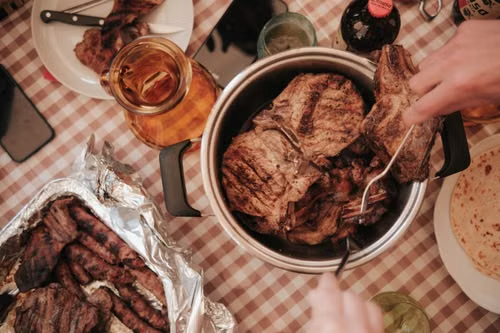
None of this works without two things: a hot enough pan and enough patience to rest the meat. Most home cooks pull protein too early and slice too soon. The resting period isn’t a courtesy; it’s the process of letting the fibers relax, and the juices redistribute. Cut into a steak the moment it comes off the heat,t and those juices run straight onto the cutting board. Wait five to eight minutes, and they stay in the meat, where they belong.
A cast iron skillet, preheated for at least three minutes over medium-high before the meat goes in, will outperform a nonstick pan at any price point. The mass of the iron holds heat through the temperature drop of adding cold meat to the pan. That sustained contact is what builds the crust. And the crust, more than the marbling, more than the grade, more than the price per pound, is what makes a piece of beef taste like it cost three times what it did.
Whether the whole industry built its pricing model on the assumption that most home cooks would never figure that out is a question worth sitting with the next time you’re standing in front of the meat case.
Sources
Background on the chemical process behind browning and flavor development in cooked meat
Overview of chuck subcuts including flat iron and their culinary properties
Background on beef short rib cuts, collagen content, and braising applications
This article was created with AI assistance and reviewed for clarity and accuracy.