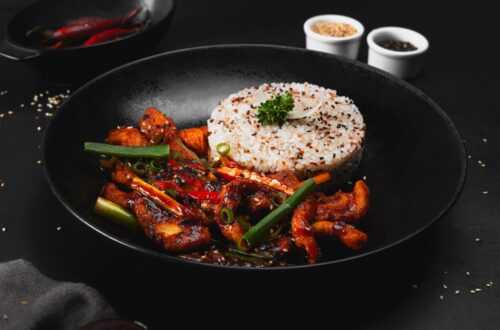
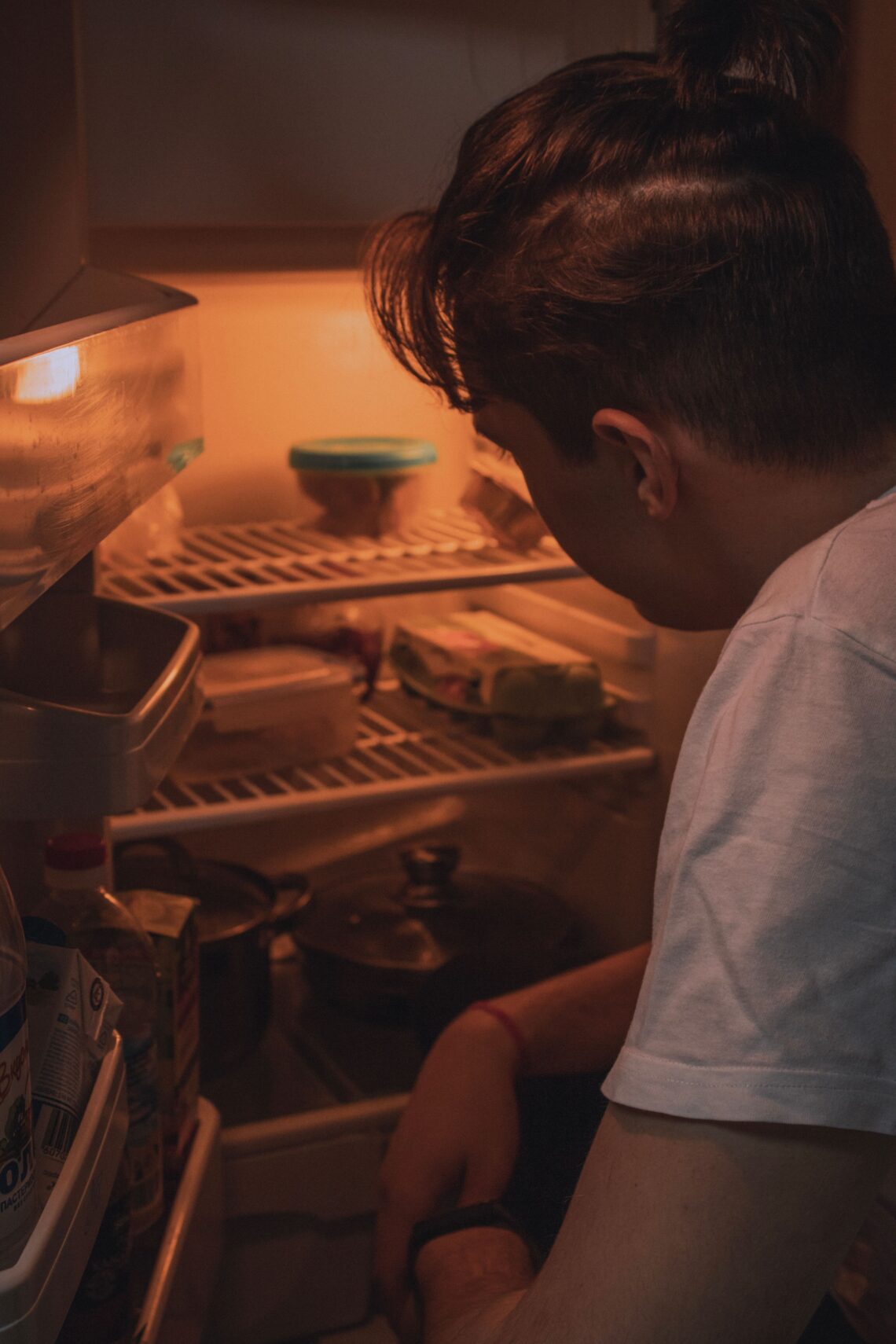
There is a particular kind of tired that hits around 6 p.m. on a Wednesday. The kind where standing over a hot stove for forty-five minutes sounds like a punishment you haven’t earned. Most of us have been there. And most of us have also opened the fridge to find exactly three things that don’t go together.
The fix isn’t a meal kit subscription or a complicated batch-cooking system. It’s knowing which dishes hold up over four or five days and storing them in a way that doesn’t ruin what you made.
That distinction matters more than most cooking advice lets on. Plenty of meals reheat fine. Far fewer actually improve. And a surprising number of dishes that seem like good candidates for Sunday prep will be waterlogged, separated, or just sad by Thursday. Getting this right is less about recipes and more about understanding what happens to food in the fridge.
What the Fridge Actually Does to Your Food
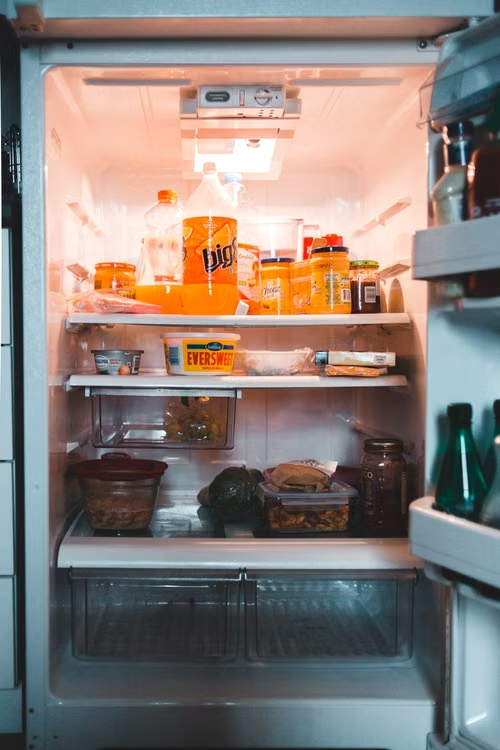
Cold slows bacteria. It also slows flavor development in some foods and speeds it up in others. Braised dishes think pot roast, chili, or any long-cooked bean situation- genuinely taste better on day two because the liquid and fat have had time to redistribute and the flavors have settled into each other. Pasta sauces do the same thing. A bolognese you made Sunday will be noticeably richer by Tuesday.
What doesn’t improve: anything with a crispy element. Breaded chicken, roasted potatoes, sheet-pan vegetables with caramelized edges- these go soft in storage. They’re still edible. They just won’t be what they were.
And here’s the thing most weeknight guides skip entirely: moisture migration. When you store hot food in a closed container, steam condenses on the lid and drips back down onto whatever’s underneath. Do that to a pan of baked ziti or a tray of roasted broccoli, and you get a soggy version of the thing you worked for. The fix is simple. Let food cool uncovered for fifteen to twenty minutes before sealing the container. Not an hour. Not overnight on the counter. Just enough time for the steam to escape.
The Meals Worth Making Ahead
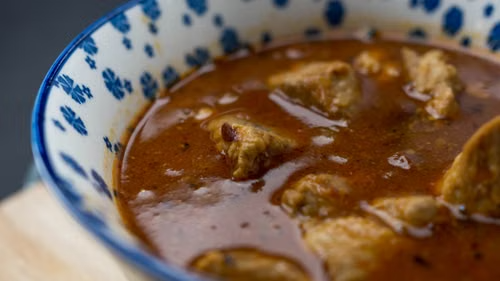
Soups and stews are the obvious answer, and they earn that reputation. A pot of chicken and rice soup, a thick lentil stew, a beef and vegetable broth-based dish- all of these hold refrigerated for four days without any quality loss. Most get better. The one exception is soup with pasta already cooked into it: the pasta absorbs the broth overnight and turns to mush. Cook pasta separately and add it when you reheat.
Grain bowls and protein-forward dishes are the second category worth building a Sunday routine around. Cooked farro, brown rice, or quinoa keeps for five days in the fridge. Roasted chicken thighs, bone-in, skin-on, cooked until the skin is properly rendered, hold up remarkably well and reheat without drying out the way chicken breast does. Pair these with a sauce or dressing stored separately, and you have the bones of four or five lunches or dinners with almost no weeknight effort.
Casseroles deserve more credit than they get in the current cooking moment. A baked pasta, a chicken and rice casserole, a layered enchilada dish- these were designed for make-ahead cooking, whether or not that was the original intention. They hold three to four days. They reheat evenly. And they feed a family without requiring anyone to think too hard after a long day.
Sheet-pan dinners are trickier. A sheet pan of roasted sausage and peppers reheats reasonably well because the sausage has enough fat to stay moist. A sheet pan of salmon and asparagus is a different story; the salmon will be dry, and the asparagus will be limp by day two. If you’re going the sheet-pan route for make-ahead purposes, stick to meat and root vegetables, not fish and tender greens.
The Storage Rules That Actually Matter
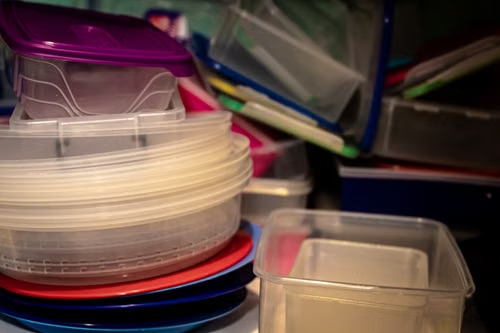
Airtight containers are the baseline. But size matters more than most people realize. Storing a small amount of soup in a large container means more air in contact with the food, which accelerates oxidation and flavor loss. Match the container size to the amount of food. Fill it close to the top. This is especially true for dishes with any acid in them; tomato-based sauces will pick up off-flavors faster in a half-empty container.
Glass versus plastic: glass wins for anything acidic or heavily spiced. Plastic absorbs odors and can stain, but it’s lighter and fine for neutral foods like cooked grains or plain roasted vegetables.
Labeling is the habit that most home cooks resist and then regret. A piece of masking tape and a marker takes four seconds. It tells you when something was made. It tells you what’s in the unlabeled container of brown liquid at the back of the shelf. It keeps you from playing refrigerator roulette on a Thursday night when you’re already tired.
The four-day rule is a reasonable guideline for most cooked proteins and casseroles. Soups and stews with a lot of liquid can push to five days. Cooked grains and roasted vegetables are best within four days. If you’re prepping on Sunday, plan to use the food by Thursday. Friday is pushing it for most things.
Reheating Without Ruining It
The microwave is fast and fine for soups, stews, and grain dishes. Add a splash of water or broth before reheating anything that’s thickened in the fridge; starches absorb liquid as they cool, and what went in as a nice soup can come out as a paste without a little added moisture.
The oven is better for casseroles. Cover with foil, reheat at 325°F until warmed through, then uncover for the last five minutes to revive any surface texture. This takes longer than the microwave, but the result is closer to what you made originally.
The stovetop is best for anything saucy. A splash of water in the pan, medium-low heat, and a lid for the first few minutes revives bolognese, braised meats, and bean dishes without scorching the bottom.
None of this requires a special system or a weekend dedicated to cooking. It requires knowing which dishes hold, how to store them properly, and how to bring them back to life on a Wednesday night when you have exactly twenty minutes and very little patience.
Sources
USDA-backed guidelines on safe refrigerator storage times for cooked foods
Reference for food science behind braising, reheating, and moisture in cooked dish
This article was created with AI assistance and reviewed for clarity and accuracy.