Cooking sits at the center of my daily life, not as a task to rush through, but as a practice that shapes how I think, feel, and connect with the world around me. The act itself goes far beyond filling a plate or satisfying hunger. It asks for attention, patience, memory, and instinct, all at the same time. Each time I step into the kitchen, I’m engaging in something layered with meaning, history, and emotion.
Food is the obvious outcome, but it is never the whole story. Cooking reflects mood, culture, and personal values in ways few other daily activities can. The sounds of chopping, the smell of spices hitting warm oil, and the quiet focus that settles in during preparation all point to something deeper than a finished meal. Cooking becomes a way of expressing care, creativity, and presence without needing to say a word.
Over time, I’ve realized that cooking works on multiple levels at once. It feeds the body, but it also feeds memory, identity, and connection. That complexity is what makes cooking more than just making food, and why it continues to matter long after the plates are cleared.
Cooking as a Form of Expression
Cooking allows personal expression in a way that feels natural rather than forced. Even when following a recipe, the choices made along the way reveal individual taste and instinct. The amount of spice, the length of cooking, or the decision to substitute an ingredient all reflect personal preference and experience. No two people cook the same dish in exactly the same way, even when the instructions are identical.
That freedom turns the kitchen into a creative space. Some days call for precision and structure, while others invite improvisation and risk. Both approaches say something about the person cooking and the moment they’re in. Cooking becomes a quiet language, one spoken through texture, aroma, and balance rather than words.
Expression through cooking also evolves over time. As skills grow, confidence follows, and the food begins to carry more intention. Dishes start to feel personal rather than procedural, and the act of cooking becomes less about rules and more about voice.
The Role of Memory and Tradition
Many of the strongest food experiences are tied to memory. A single smell or flavor can bring back moments that feel distant but vivid. Cooking taps into that emotional archive in a powerful way. Recipes passed down through families carry stories, habits, and values that survive through repetition.
Tradition in cooking doesn’t require strict adherence to the past. It lives in the rhythm of familiar steps and trusted flavors. Even small rituals, like preparing a certain dish on specific days, create continuity across time. Cooking becomes a way of honoring where food came from and the people connected to it.
Those traditions often shift as they’re passed along. Ingredients change, techniques adapt, and personal touches appear. What stays constant is the sense of connection, the feeling that cooking links generations through shared effort and care.
Cooking and Presence
Cooking demands attention in a way few daily activities do. Heat, timing, and texture leave little room for distraction. Being present isn’t optional when something can burn, overcook, or fall flat with a moment of inattention. That focus naturally pulls the mind into the current moment.
This presence can feel grounding. The repetitive motions of chopping or stirring create a rhythm that slows everything down. Thoughts that felt loud before entering the kitchen often soften once the process begins. Cooking becomes a way to step out of mental noise and into something tangible and immediate.
That sense of presence carries over into the meal itself. Food prepared with attention tends to be eaten with more awareness. The experience becomes fuller, not just because of flavor, but because the mind is engaged rather than rushed.
Skill, Patience, and Growth
Cooking teaches patience through experience rather than instruction. Some lessons only come after mistakes, like rushing a process or ignoring subtle cues. Over time, those mistakes shape better judgment and deeper understanding. Skill builds slowly, reinforced through repetition and observation.
Each improvement brings a sense of progress that feels earned. Learning to balance flavors or control heat isn’t about instant success, but about gradual refinement. That growth creates confidence, not just in cooking, but in the ability to learn and adapt.
The kitchen becomes a space where effort directly affects outcome. That relationship between input and result is clear and honest. Cooking rewards attention and humility, reinforcing the idea that growth comes from doing, adjusting, and trying again.
Cooking as Care
Preparing food for others is one of the most direct ways to show care. It requires time, effort, and consideration of someone else’s needs and preferences. The act itself says something that words often fail to capture. A meal cooked with intention carries warmth that extends beyond nutrition.
That care doesn’t disappear when cooking for oneself. Taking the time to prepare a proper meal is a form of self-respect. It acknowledges that nourishment matters and that the body deserves attention. Cooking becomes a daily reminder that care can be practical and simple.
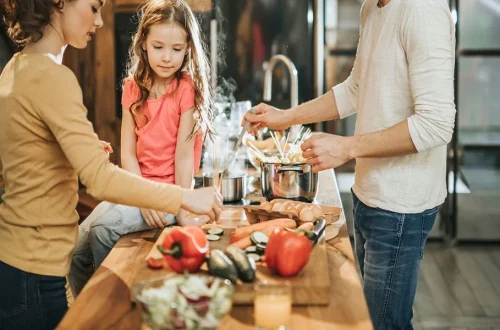
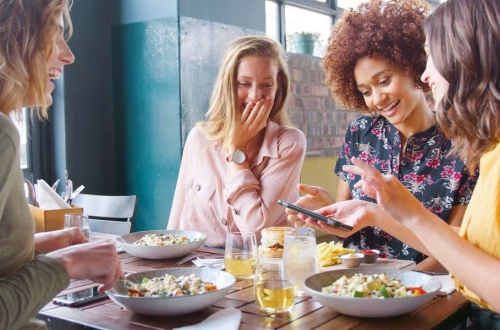
Shared meals deepen that sense of care. Sitting down together, eating the same food, and sharing that moment creates connection. Cooking makes those moments possible, anchoring relationships in something tangible and shared.
Cultural Identity in the Kitchen
Cooking reflects culture in ways that are immediate and lived. Ingredients, techniques, and flavor profiles tell stories about geography, climate, and history. Preparing dishes from a particular culture keeps those stories active rather than abstract. Cooking becomes a way of participating in cultural identity rather than just observing it.
Even when adapting recipes, cultural roots remain present. The structure of a dish, the spices used, or the methods passed down still carry meaning. Cooking becomes a bridge between past and present, allowing culture to evolve without disappearing.
For many people, cooking is how culture is first learned and understood. The kitchen often becomes the place where traditions are practiced daily, not just celebrated occasionally. That consistency gives culture weight and relevance.
The Emotional Side of Cooking
Cooking often reflects emotional states, whether consciously or not. Comfort foods appear during difficult times, while celebratory dishes show up during moments of joy. The connection between emotion and food is deeply ingrained, shaped by experience and memory.
That emotional connection works both ways. Cooking can also influence mood, offering calm, satisfaction, or a sense of accomplishment. Completing a meal from scratch provides a quiet reward that lingers longer than convenience ever could.
Emotions find a safe outlet in cooking. Frustration can be worked out through physical effort, while creativity finds space through experimentation. The kitchen becomes a place where feelings are processed through action rather than explanation.
Time and Intention
Cooking reshapes how time is experienced. Some dishes demand slowness, refusing to be rushed without consequence. That requirement encourages respect for process rather than speed. Cooking reminds me that not everything benefits from being hurried.
Intention plays a major role in that relationship with time. Deciding to cook sets aside space for effort and focus. Even quick meals require a level of planning and presence that distinguishes them from passive consumption.
That intentional use of time adds meaning to the result. A meal prepared with care carries the weight of that choice. Cooking becomes a statement that time spent nourishing oneself or others is time well used.
Cooking Beyond the Recipe
Recipes offer guidance, but cooking truly begins when instinct takes over. Reading the food, adjusting seasoning, and responding to texture rely on experience rather than instruction. Over time, recipes become reference points instead of strict rules.
That shift changes the relationship with cooking. Confidence grows as decisions feel informed rather than risky. The kitchen becomes a place of dialogue between knowledge and intuition.
Cooking beyond the recipe also fosters adaptability. Limited ingredients or unexpected changes no longer feel like obstacles. They become opportunities to problem-solve and create something new, reinforcing the idea that cooking is an active, thoughtful process.
Final Thoughts
Cooking holds value far beyond the food it produces. It blends skill, memory, emotion, and care into an act that touches nearly every part of daily life. Each meal carries traces of intention, culture, and presence, even when it seems simple on the surface.
Seeing cooking as more than just making food changes how the process feels. It turns routine into ritual and effort into expression. The kitchen becomes a place of growth, connection, and meaning rather than obligation.
That depth is what keeps cooking relevant and powerful. Long after the meal is finished, the impact remains in memory, relationship, and the quiet satisfaction of having created something real with purpose.