Cooking gives me a form of creative expression that feels both grounded and limitless at the same time. The kitchen becomes a place where ideas turn into something tangible, something that can be tasted, shared, and remembered. Unlike other creative outlets that demand explanation or justification, cooking allows creativity to exist quietly through action. It invites experimentation without requiring permission or an audience.
Creativity often gets framed as something reserved for art studios or stages, yet it thrives just as easily over a cutting board. Cooking offers daily access to imagination through flavor, texture, and process. Each meal becomes an opportunity to explore intuition, mood, and curiosity in a way that feels natural and deeply personal.
Creativity Lives in Everyday Decisions
Creative expression in cooking begins with small choices. Deciding how to season a dish, which ingredients to pair, or how to adjust a recipe opens space for interpretation. These decisions may seem minor, but together they shape the final outcome.
The act of deciding builds confidence in personal taste. Trust develops through repetition, allowing instincts to guide choices rather than strict rules. Creativity grows when those instincts are given room to operate.
Over time, these everyday decisions form a creative rhythm. Cooking stops being about following instructions and starts becoming about responding to the moment. That responsiveness is where creativity thrives.
The Kitchen Encourages Experimentation
The kitchen offers a low-risk environment for experimentation. Ingredients can be adjusted, techniques modified, and mistakes corrected in real time. This flexibility invites curiosity rather than fear.
Trying something new in cooking rarely feels final or irreversible. A dish can be tweaked, saved, or reimagined. That freedom makes experimentation feel accessible instead of intimidating.
Experimentation strengthens creative confidence. Each attempt teaches something, whether successful or not. Cooking becomes a safe place to explore ideas without pressure.
Recipes Become Starting Points
Recipes provide structure, but creativity begins when they are treated as guides rather than rules. Adjusting flavors, swapping ingredients, or changing methods personalizes the process. That personalization turns cooking into a creative act.
Using a recipe as a foundation allows exploration within boundaries. Those boundaries prevent overwhelm while still leaving room for expression. Creativity flourishes when there is both freedom and form.
Over time, reliance on recipes fades. Familiar patterns emerge, and intuition takes over. Cooking becomes less about replication and more about interpretation.
Mood Influences the Plate
Creative energy often reflects emotional state, and cooking responds naturally to mood. Comfort foods, bright flavors, or simple meals emerge based on how the day feels. Cooking allows emotions to shape outcomes without words.
This emotional influence feels authentic. Meals prepared during calm moments differ from those made during stressful ones, and both serve their purpose. Cooking becomes a way to process feelings through action.
Allowing mood to guide cooking deepens creativity. Food becomes expressive rather than performative. Each meal carries a subtle emotional signature.
Ingredients Spark Imagination
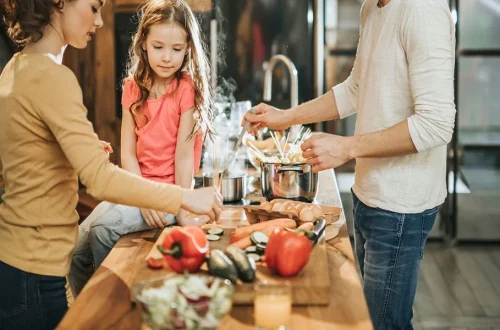
Raw ingredients invite imagination before they are combined. Colors, textures, and aromas suggest possibilities. Seeing ingredients laid out sparks ideas about how they might work together.
This visual and sensory stimulation fuels creativity. Ingredients stop being items on a list and become tools for expression. The mind begins to play with combinations and contrasts.
Creativity grows when ingredients are treated with curiosity. Even familiar items can feel new when approached with openness. Cooking turns the ordinary into something expressive.
Creativity Thrives Without Judgment
Cooking allows creativity without the weight of external judgment. Meals do not need to be evaluated, displayed, or compared. The outcome exists primarily to be enjoyed.
This absence of judgment creates freedom. Creativity flows more easily when it is not measured against standards. Cooking supports this by prioritizing experience over approval.
That freedom encourages risk-taking. Trying new flavors or techniques feels safe. Creativity deepens when fear of failure fades.
Process Matters as Much as Outcome
Creative fulfillment in cooking comes from the process, not just the final dish. Chopping, stirring, tasting, and adjusting all contribute to the experience. These steps invite presence and engagement.
Focusing on process reduces pressure around results. Enjoyment comes from participation rather than perfection. Cooking becomes immersive rather than outcome-driven.
This process-oriented mindset supports creativity. Attention stays on exploration rather than evaluation. Cooking feels expressive even before the meal is finished.
The Senses Guide Creative Choices
Cooking engages all the senses, and each one informs creative decisions. Smell suggests seasoning, sound indicates doneness, and texture signals balance. These cues guide intuition.
Relying on sensory feedback strengthens creative awareness. Decisions feel responsive rather than analytical. Cooking becomes a conversation between the senses and the mind.
This sensory dialogue keeps creativity grounded. Ideas are tested immediately through taste and touch. Cooking allows creativity to be experienced in real time.
Repetition Builds Creative Confidence
Repeating dishes does not limit creativity; it strengthens it. Familiarity with a recipe creates space for variation. Small changes become more noticeable and impactful.
Repetition builds confidence by reducing uncertainty. Knowing the basics frees attention for experimentation. Creativity emerges naturally once the foundation feels secure.
Over time, repetition leads to mastery. Mastery supports expression rather than restricting it. Cooking becomes a reliable outlet for creative exploration.
Improvisation Feels Natural
Cooking often requires improvisation, especially when ingredients are limited. Making substitutions or adjustments encourages flexible thinking. Improvisation becomes part of the creative process.
This adaptability strengthens creative problem-solving. Constraints inspire innovation rather than stifling it. Cooking demonstrates that creativity thrives within limits.
Improvisation builds trust in intuition. Decisions are made based on experience rather than instruction. Cooking becomes a space where creativity responds to reality.
Personal Style Develops Over Time
Creative outlets often lead to the development of personal style. Cooking reveals preferences through repeated choices. Certain flavors, techniques, or cuisines become familiar signatures.
This style emerges organically. It is shaped by taste, experience, and mood rather than intention. Cooking allows style to form without pressure.
Recognizing personal style strengthens creative identity. The kitchen becomes a place where expression feels authentic. Cooking reflects individuality through flavor.
Creativity Without Performance
Cooking offers creativity without the need for performance. Meals do not require an audience to be valid. The act itself carries meaning.
This privacy allows honest expression. Cooking can be experimental, imperfect, or simple without consequence. Creativity feels personal rather than public.
Removing performance reduces anxiety. Creative energy flows more freely when it does not need to impress. Cooking supports creativity by keeping it grounded and private.
Time in the Kitchen Supports Flow
Creative flow emerges when attention is fully engaged. Cooking naturally encourages this state through focused activity. The rhythm of preparation draws attention inward.
Flow reduces self-consciousness. Actions feel smooth and connected. Cooking creates conditions where creativity unfolds without interruption.
This flow state feels restorative. Time passes differently, and stress fades. Cooking becomes a form of creative immersion.
Constraints Inspire Innovation
Limited ingredients, time, or tools often spark creativity. Cooking thrives under these constraints. Solutions emerge through resourcefulness and imagination.
Constraints shift focus from abundance to possibility. Creativity adapts by finding new combinations or techniques. Cooking turns limitations into inspiration.
This mindset strengthens creative resilience. Challenges feel engaging rather than discouraging. Cooking demonstrates how creativity adapts to circumstances.
Cooking Connects Creativity to Care
Creative expression in cooking is tied to nourishment. Meals support the body while expressing the mind. This connection adds depth to creativity.
Cooking becomes an act of care for oneself or others. Creative choices are guided by comfort, satisfaction, and well-being. Expression serves a purpose beyond aesthetics.
This blend of creativity and care feels grounding. Cooking expresses creativity through service and nourishment. The outcome matters in a tangible way.
Growth Happens Naturally
Creative growth in cooking happens without formal goals. Skills develop through repetition and curiosity. Progress feels organic rather than forced.
Each meal contributes to experience. Mistakes become lessons, and successes build confidence. Cooking allows creativity to evolve gently.
This natural growth supports consistency. Cooking remains enjoyable because it adapts over time. Creativity stays alive through ongoing practice.
The Kitchen Becomes a Creative Space
Over time, the kitchen transforms into a creative environment. Familiar tools and ingredients invite exploration. The space feels associated with expression rather than obligation.
Entering the kitchen signals a shift in mindset. Creativity feels accessible and expected. Cooking becomes a reliable outlet for imagination.
This association deepens with use. The kitchen becomes a place where ideas are welcomed. Cooking turns everyday space into a creative refuge.
Final Thoughts
Cooking as a creative outlet offers expression that is practical, personal, and deeply satisfying. It allows creativity to exist within daily life without demanding extra time or identity shifts. Each meal becomes an opportunity to explore intuition, emotion, and curiosity through action.
Over time, cooking proves that creativity does not need grand gestures. It thrives in repetition, simplicity, and care. Through regular cooking, creative expression becomes part of everyday living, grounded in nourishment and guided by personal experience.