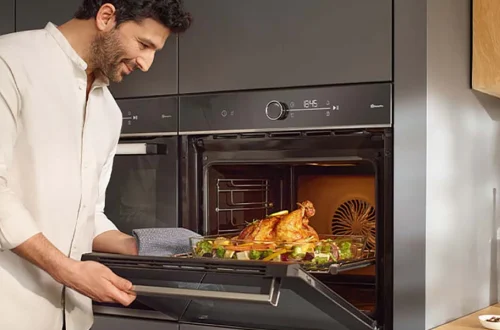
Cooking at home quietly rewires how food fits into daily life. It alters how meals are valued, how ingredients are treated, and how hunger is interpreted. Instead of food being a quick solution or background detail, it becomes part of an ongoing conversation between the kitchen, the body, and the mind. That shift does not happen all at once, but it happens steadily, meal by meal.
Preparing food at home forces attention where convenience once ruled. Time, effort, and intention become part of eating, even on simple days. That involvement changes how food is respected and how satisfaction is measured. Over time, cooking at home stops being a task and starts becoming a lens through which food is understood on a deeper, more personal level.
Food Stops Being Abstract
Eating out or relying on packaged meals often separates food from its origins. Ingredients arrive finished, flavors are pre-decided, and the process stays invisible. Cooking at home removes that distance and makes food tangible again. Raw ingredients on a counter tell a clearer story than a printed menu ever can.
Handling vegetables, grains, and proteins makes their differences obvious. Weight, texture, smell, and color all matter in ways that packaged food rarely communicates. That physical interaction grounds food in reality, making meals feel less like products and more like outcomes of real decisions.
This shift affects how food is perceived even outside the kitchen. Restaurant meals start to look different once the effort behind them is understood. Processed food becomes easier to identify for what it is, not because of labels, but because it lacks the depth and variability of home-cooked ingredients.
Portions Begin to Make Sense
Cooking at home reshapes how portions are viewed and served. Instead of default sizes determined by packaging or pricing, portions are decided by appetite, availability, and balance. That freedom creates a more honest relationship with hunger and fullness.
Measuring ingredients, even casually, builds awareness over time. A cup of rice or a spoon of oil stops being an abstract number and starts feeling familiar. That familiarity helps prevent extremes, whether overeating or unnecessary restriction, without turning meals into calculations.
Serving food at home also slows the pace of eating. Plates are filled with intention rather than impulse, and seconds become a conscious choice. That rhythm encourages listening to physical cues instead of external signals like portion labels or marketing.
Taste Becomes More Personal
Home cooking shifts taste from something received to something shaped. Adjusting salt, acidity, spice, or texture creates a direct link between preference and outcome. That control makes flavors feel personal rather than standardized.
Over time, taste buds adapt to what is cooked regularly. Heavy seasoning and excess sweetness become less necessary when fresh ingredients are handled properly. Subtle flavors stand out more clearly because they are no longer competing with extremes.
This personal calibration changes expectations everywhere else. Restaurant food may taste overly salty or rich, not because it is bad, but because the palate has changed. Cooking at home builds confidence in personal taste rather than relying on external validation.
Ingredients Gain Individual Value
Cooking at home highlights the role each ingredient plays in a dish. Instead of being hidden in a long list, ingredients stand on their own before they are combined. That visibility encourages respect for quality and simplicity.
A single tomato or onion carries more weight when its flavor is clearly noticeable. Waste becomes harder to ignore when preparation is involved, and leftovers feel more valuable because effort went into creating them. That awareness naturally leads to better use of what is available.
This relationship with ingredients often leads to curiosity. Seasonal produce, different cuts of meat, or unfamiliar grains become interesting rather than intimidating. Cooking turns ingredients into opportunities instead of obstacles.
Time With Food Changes Perspective
Cooking at home demands time, but it also reframes how time is spent. Instead of food being something squeezed between other tasks, it becomes part of the daily structure. That shift affects how meals are prioritized and appreciated.
Time in the kitchen often becomes reflective. Chopping, stirring, and waiting create space to slow down, even on busy days. That pause adds emotional weight to meals, turning them into moments rather than interruptions.
Meals prepared with time tend to be eaten with more attention. Sitting down to eat food that required effort encourages presence. That presence strengthens the connection between preparation and consumption.
Control Replaces Guesswork
Home cooking removes much of the uncertainty around food. Ingredients, methods, and portions are known, which builds trust in what is being eaten. That clarity reduces anxiety and second-guessing.
Knowing how a meal was prepared changes how the body responds to it mentally. Instead of wondering about hidden additives or excessive fats, focus shifts to enjoyment and nourishment. Confidence replaces suspicion.
This control also allows for adaptation. Meals can be adjusted based on mood, energy, or dietary needs without feeling restrictive. Cooking becomes flexible rather than rigid, supporting long-term consistency.
Mistakes Build Confidence
Cooking at home includes failure, and that is part of its value. Burnt pans, bland sauces, or uneven textures teach lessons that no recipe can fully explain. Those mistakes create experience rather than discouragement.
Each failed attempt builds problem-solving skills. Adjusting heat, balancing flavors, or timing steps becomes easier with practice. Confidence grows not from perfection, but from recovery.
This process changes how food-related mistakes are viewed elsewhere. A disappointing meal out feels less personal, and dietary slip-ups carry less guilt. Cooking teaches resilience through repetition.
Meals Become Shared Experiences
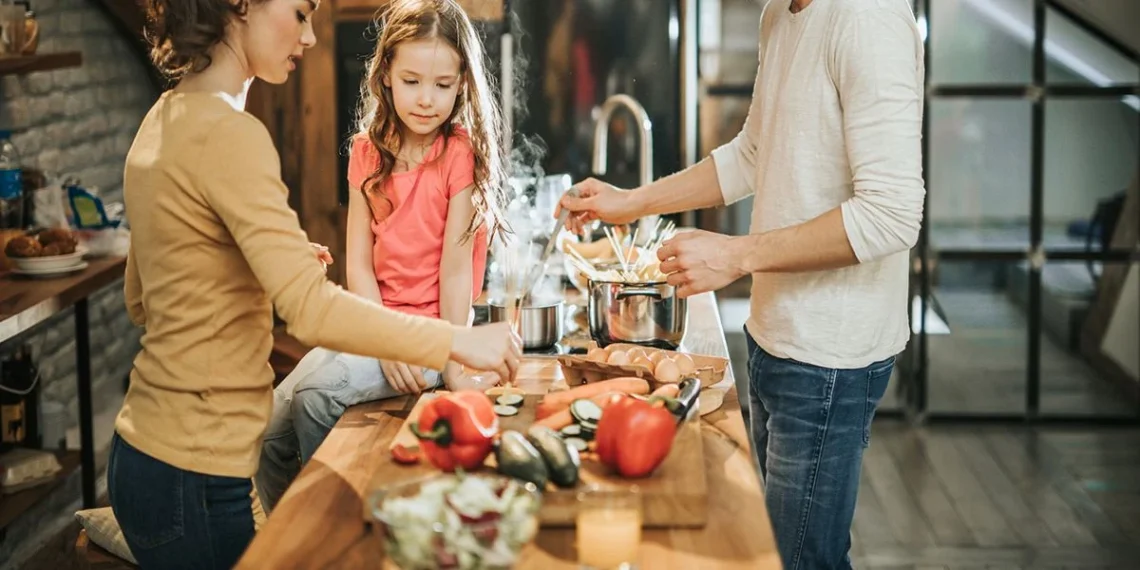
Home-cooked meals often involve others, whether through preparation or eating together. That shared experience deepens the emotional role food plays. Meals turn into conversations rather than transactions.
Cooking for others adds intention to food choices. Consideration of preferences, allergies, or comfort shapes how meals are planned. That care strengthens relationships through something as simple as dinner.
Even cooking alone carries a sense of connection. Recipes passed down, techniques learned from others, or flavors tied to memory bring a feeling of continuity. Food becomes a way of participating in a larger story.
Awareness Replaces Habitual Eating
Eating without cooking often encourages autopilot behavior. Meals are consumed quickly, often distracted, with little reflection. Cooking interrupts that pattern by requiring engagement before eating begins.
That engagement increases awareness of hunger cues. Meals are timed around preparation rather than impulse, which helps distinguish between true hunger and boredom. Eating becomes more intentional.
This awareness carries into daily choices. Snacking patterns change, cravings become easier to interpret, and satisfaction lasts longer. Cooking reshapes not just meals, but eating behavior as a whole.
Budget and Value Align More Clearly
Cooking at home clarifies the relationship between cost and value. Ingredients have visible prices and outcomes, making it easier to judge what is worth buying. Money spent feels more connected to results.
Preparing meals at home often reveals how small changes affect cost. Simple substitutions or bulk cooking make a noticeable difference without sacrificing quality. That knowledge builds confidence in food budgeting.
Value also shifts beyond money. Time, effort, and satisfaction become part of the equation. A meal that costs little but feels fulfilling holds more weight than an expensive but forgettable option.
Food Becomes a Skill, Not a Service
Relying on others to prepare food frames eating as a service received. Cooking at home reframes it as a skill developed. That distinction changes how food fits into identity.
Skills grow with repetition. Knife work improves, timing sharpens, and intuition develops. Those improvements bring pride that extends beyond the kitchen.
Seeing food as a skill encourages patience. Progress matters more than speed, and consistency matters more than novelty. Cooking becomes something owned rather than outsourced.
Emotional Eating Shifts Naturally
Cooking at home changes emotional eating patterns without forcing control. Preparing food requires enough effort to create a pause between feeling and eating. That pause allows emotions to be recognized.
Food still provides comfort, but it does so with intention. Warm meals, familiar flavors, and personal preferences create satisfaction without excess. Comfort becomes deliberate rather than automatic.
Over time, emotional awareness improves. Food is less likely to be used unconsciously and more likely to be enjoyed consciously. Cooking adds clarity to the emotional role food plays.
Final Thoughts
Cooking at home reshapes the relationship with food in ways that extend far beyond the plate. It builds awareness, confidence, and respect through daily practice rather than rigid rules. Meals become experiences shaped by choice, effort, and attention.
That shift does not require elaborate recipes or constant enthusiasm. Simple, consistent cooking is enough to change how food is seen and felt. Over time, food stops being something consumed and starts becoming something participated in.