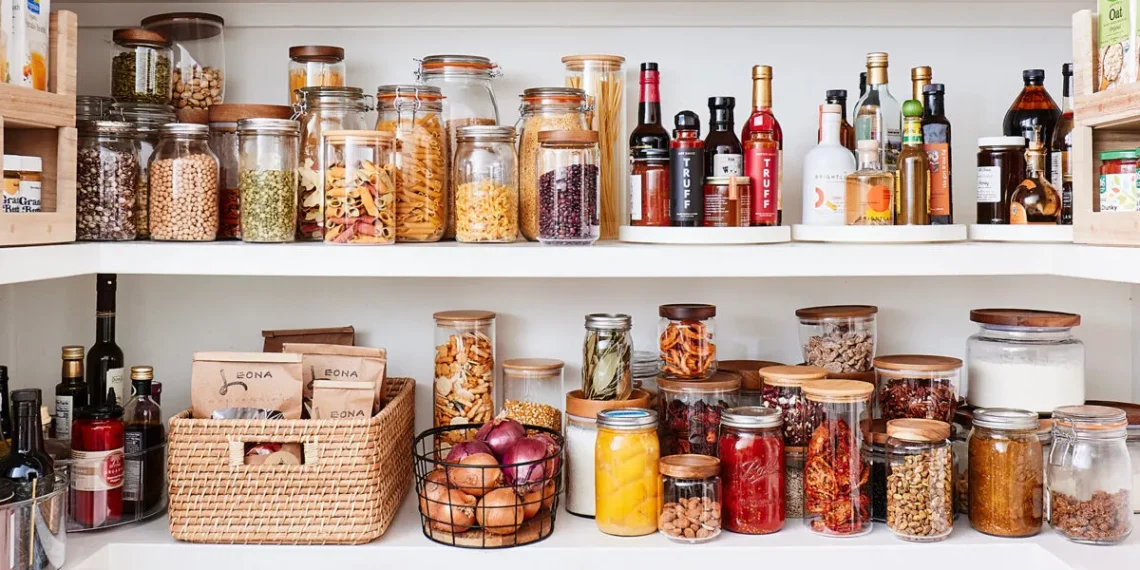
Cooking becomes easier the moment the kitchen starts working the same way you do. Storage, layout, and placement all influence how smoothly meals come together, often more than recipes themselves. I have realized that a kitchen organized around habits feels intuitive, while one organized around trends or aesthetics creates constant resistance. The goal is not perfection, but alignment between space and behavior.
Every cook moves differently. Some rely on quick stovetop meals, others spend time baking or prepping ahead. Organizing a kitchen without considering these differences leads to frustration. Once organization reflects real cooking patterns, the kitchen becomes supportive instead of demanding.
Letting Your Cooking Style Lead Decisions
The foundation of effective kitchen organization is recognizing how cooking actually happens day to day. I pay attention to the meals I make most often, the tools I reach for repeatedly, and the steps that slow me down. These patterns reveal far more than aspirational setups ever could.
Instead of forcing the kitchen to match an ideal image, I let habits dictate placement. If most meals involve chopping vegetables, the prep zone deserves priority space. If stovetop cooking dominates, tools related to heat control and stirring should live nearby.
Organization built around real behavior lasts longer because it feels natural. The kitchen stops asking for adjustment and starts offering support.
Defining Core Cooking Zones
Even in small kitchens, defining zones helps create flow. I think in terms of prep, cooking, finishing, and cleaning. Each zone needs quick access to the tools and ingredients that support it.
Prep zones benefit from knives, cutting boards, and mixing tools within arm’s reach. Cooking zones work best when pans, utensils, and spices are close to the stove. Finishing zones support plating and serving, while cleaning zones prioritize efficiency.
Clear zones reduce backtracking. Movement becomes purposeful instead of scattered. This structure makes cooking feel calmer and more controlled.
Organizing for Frequent Tasks First
Not all tasks deserve equal storage priority. I organize the kitchen around what happens most often, not what happens occasionally. Daily tools should live in the easiest-to-reach spots.
Rarely used items can live higher or farther away without causing disruption. This hierarchy reduces effort during everyday cooking. It also prevents prime storage from being wasted on novelty tools.
Prioritizing frequency creates efficiency. Cooking becomes faster when the kitchen anticipates needs.
Storing Tools Where Actions Happen
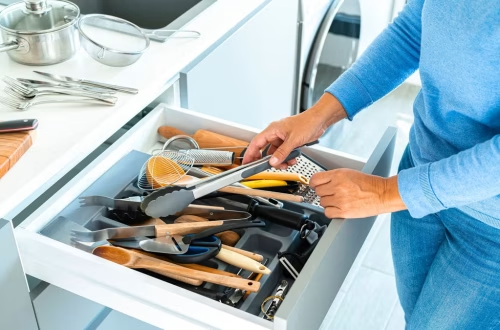
Tools work best when stored near the actions they support. I keep knives near the prep surface, spatulas near the stove, and strainers near the sink. This placement reduces unnecessary movement.
When tools live far from where they are used, cooking becomes disjointed. Small interruptions break focus and increase stress. Proximity preserves rhythm.
This approach also discourages clutter. Tools returned to nearby storage are less likely to linger on counters.
Adjusting Storage for Meal Complexity
Some cooking styles favor simple meals, while others involve multiple steps and components. I adjust storage to match the complexity of meals I prepare most often. A simpler cooking style benefits from streamlined storage.
Complex meals require access to more tools and ingredients, but still benefit from organization by task. Grouping items used together reduces chaos during busy cooking sessions.
Matching storage to meal complexity prevents overwhelm. The kitchen feels capable without feeling crowded.
Supporting Prep-Heavy Cooking Styles
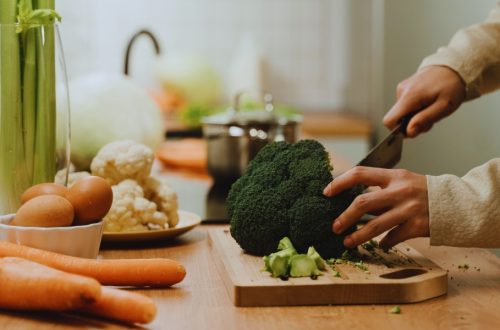
Prep-heavy cooking demands space and efficiency. I prioritize clear counters, accessible knives, and nearby bowls. Prep tools stay visible or within easy reach.
Ingredients used early in cooking are stored close to prep areas. This minimizes movement and keeps focus on the task at hand. Prep becomes fluid rather than rushed.
This organization supports calm execution. Good prep sets the tone for the entire meal.
Organizing for Stovetop-Centered Cooking
Stovetop cooking benefits from immediate access to pans, lids, and utensils. I store these items as close to the stove as possible. This reduces mid-cooking searches.
Spices and oils also belong nearby. Reaching across the kitchen while something cooks introduces stress and risk. Proximity improves safety and control.
A stovetop-centered layout supports confidence. Cooking feels responsive rather than reactive.
Structuring Storage for Baking Habits
Baking follows different rhythms than cooking. Precision and preparation matter more. I group baking tools and ingredients together to support focus.
Measuring tools, mixing bowls, and baking pans share a common zone. Dry ingredients stay organized and visible. This reduces mistakes and interruptions.
A baking-friendly setup encourages consistency. Organization supports accuracy and calm execution.
Adapting Storage for One-Pot Cooking
One-pot cooking thrives on simplicity. I store versatile pots, utensils, and seasonings together. This supports quick assembly and easy cleanup.
With fewer tools involved, storage should emphasize accessibility. Everything needed should be reachable without opening multiple cabinets.
This streamlined approach supports efficiency. One-pot meals stay simple from start to finish.
Organizing for Batch Cooking and Meal Prep
Batch cooking requires space and structure. I prioritize storage for containers, large pots, and prep tools. These items need room to work efficiently.
Ingredients used in bulk stay easy to access. Storage supports repetition and consistency. This reduces fatigue during long prep sessions.
Organization aligned with batch cooking saves time and energy. The kitchen supports productivity rather than slowing it down.
Creating Flexible Storage for Mixed Cooking Styles
Many kitchens support more than one cooking style. Flexibility becomes essential. I use adjustable shelves and modular storage to adapt as needed.
Tools move based on current habits. Seasonal shifts in cooking are reflected in storage. This adaptability keeps the kitchen relevant.
Flexible storage prevents stagnation. The kitchen evolves alongside preferences.
Managing Ingredients Based on Usage Patterns
Ingredient storage works best when based on usage frequency. Staples stay visible and accessible. Specialty items live farther away.
This structure reduces decision fatigue. Planning meals becomes easier when frequently used ingredients are easy to see.
Ingredient organization should reflect reality. Storage that ignores habits creates waste and frustration.
Protecting Counter Space for How You Cook
Counter space supports different tasks depending on cooking style. I protect it accordingly. Prep-heavy cooking demands open surfaces.
Appliance-heavy cooking requires thoughtful placement. Only appliances used regularly earn counter space. Others stay stored.
Counter discipline supports flow. Clear surfaces invite action.
Simplifying Storage for Speed and Ease
Speed comes from simplicity. I avoid overcomplicated systems that slow down cooking. Storage should support quick decisions.
Simple layouts reduce thinking time. Hands move automatically. Cooking becomes intuitive.
Ease sustains consistency. Complex systems collapse under pressure.
Letting Mistakes Guide Adjustments
Friction reveals misalignment. When something feels awkward repeatedly, storage likely needs adjustment. I pay attention to these signals.
Small changes often solve persistent problems. Moving a tool or ingredient can restore flow. Ignoring friction allows frustration to build.
Mistakes guide improvement. Organization evolves through feedback.
Avoiding Trend-Based Organization
Trends often ignore personal habits. I avoid organizing based on aesthetics alone. Function matters more than appearance.
What works for one kitchen may not work for another. Copying layouts without adaptation leads to inefficiency.
Personalization creates durability. Organization should reflect reality, not ideals.
Reinforcing Habits Through Placement
Placement influences behavior. I place items where I want habits to form. Frequently used tools stay visible.
Less-used items fade into the background. This naturally reinforces routines. The kitchen guides behavior without effort.
Good placement supports long-term consistency.
Reviewing Organization Periodically
Cooking habits change over time. I review storage occasionally to ensure alignment. Small adjustments prevent major overhauls.
Periodic review keeps the kitchen responsive. Organization remains supportive rather than restrictive.
Flexibility preserves effectiveness.
Final Thoughts
Organizing a kitchen based on how you cook transforms the entire experience. Storage stops being a source of frustration and becomes a quiet partner in every meal. When the kitchen reflects real habits, cooking feels smoother, calmer, and more enjoyable.
I have learned that the best organization is personal, practical, and adaptable. By letting cooking style lead decisions, the kitchen becomes a space that works naturally. Alignment between space and behavior creates lasting order and better cooking every day.