Food shopping decisions quietly shape how cooking feels and how meals turn out. Standing in front of fresh produce on one side and freezer cases on the other often creates unnecessary pressure. The idea that fresh is always superior has been repeated so often that frozen foods are sometimes treated as a compromise rather than a tool. Experience in the kitchen has shown me that this belief does not hold up under closer inspection.
Fresh and frozen ingredients serve different purposes, and confidence grows when those purposes are clear. Some foods shine brightest when used fresh, while others perform just as well, or even better, from the freezer. Knowing the difference removes guilt from shopping decisions and replaces it with practicality. Cooking becomes more flexible, less wasteful, and more consistent.
This article breaks down what truly belongs in the fresh basket and what earns its place in the freezer. These distinctions are based on flavor, texture, reliability, and how ingredients behave once heat is applied. Once this balance becomes familiar, grocery shopping feels strategic rather than stressful.
Why Fresh And Frozen Are Not Opposites
Fresh and frozen foods are often framed as competitors, but they serve complementary roles. Fresh ingredients offer immediacy, texture, and aroma that define certain dishes. Frozen ingredients offer stability, convenience, and consistency that support everyday cooking.
Freezing preserves food at peak ripeness in many cases. Vegetables and fruits are often frozen shortly after harvest, locking in nutrients and flavor. This process can outperform fresh items that have traveled long distances and sat on shelves.
Recognizing that fresh and frozen solve different problems changes how both are valued. Instead of asking which is better, the more useful question becomes which is better for this dish.
Fresh Produce That Deserves Priority
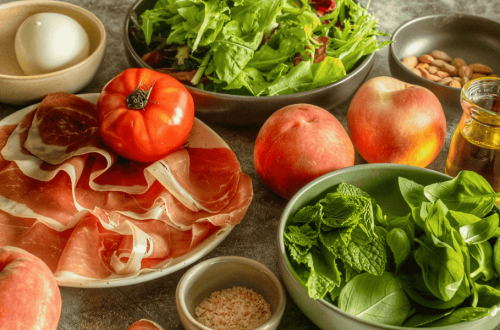
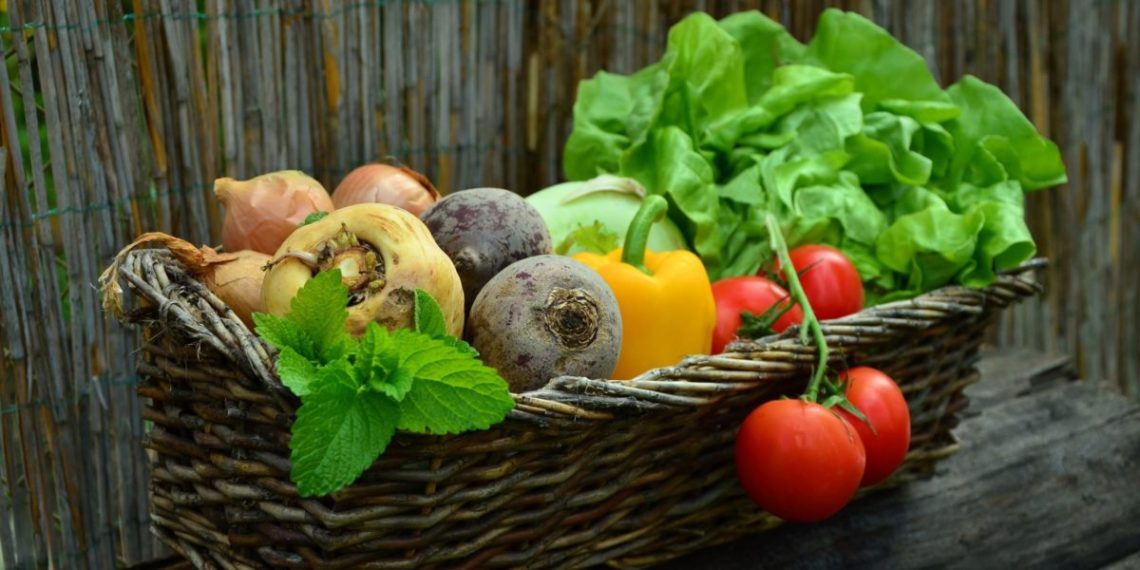
Certain vegetables and fruits lose their appeal once frozen. Leafy greens meant for raw use rely on crispness and structure that freezing destroys. Lettuce, arugula, and delicate salad greens belong firmly in the fresh category.
Fresh herbs also perform best outside the freezer. Their volatile oils provide aroma and brightness that freezing dulls. Basil, parsley, cilantro, and dill deliver the most impact when fresh and untreated.
Produce eaten raw benefits most from freshness. Tomatoes for salads, cucumbers, and citrus fruits offer texture and juiciness that freezing cannot replicate. These items reward careful selection and quick use.
Frozen Vegetables That Perform Exceptionally Well
Many vegetables freeze beautifully and retain quality through cooking. Peas, corn, green beans, and spinach often perform as well as fresh in cooked dishes. Their texture softens naturally with heat, making freezing less noticeable.
Frozen vegetables excel in soups, stews, stir-fries, and sauces. Their consistency reduces prep time and ensures reliable results. This reliability builds confidence, especially for weeknight cooking.
Using frozen vegetables also reduces waste. Portions can be used as needed, eliminating the pressure to cook everything immediately. This flexibility encourages healthier cooking habits.
Fresh Meat And Poultry Considerations
Fresh meat offers control over texture and timing. Cuts meant for quick cooking, such as steaks or chicken breasts, benefit from being cooked shortly after purchase. Freshness supports proper browning and moisture retention.
However, fresh does not always mean never frozen. Many meats sold fresh have already been frozen and thawed. What matters more is handling and storage after purchase.
For immediate cooking, fresh meat provides convenience. For longer storage, freezing meat intentionally preserves quality and prevents spoilage. Knowing when to freeze at home bridges the gap between fresh and frozen.
Frozen Meat And Seafood As Reliable Staples
Frozen seafood often outperforms fresh options, especially inland. Fish frozen at sea retains texture and flavor better than fish labeled fresh after long transport. This advantage makes frozen seafood a smart choice.
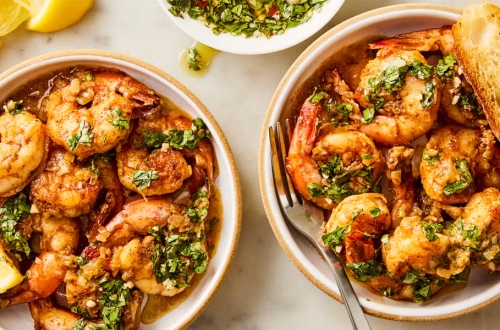
Frozen shrimp, fish fillets, and shellfish cook predictably and store well. Proper thawing preserves texture and minimizes moisture loss. This reliability supports confident cooking.
Frozen meat also offers portion control. Individual pieces can be thawed as needed, reducing waste. This approach aligns well with flexible meal planning.
Fresh Fruit For Immediate Enjoyment
Fresh fruit excels when eaten raw or lightly prepared. Texture, aroma, and juiciness matter most in these uses. Apples, berries, stone fruits, and grapes shine when fresh.
Seasonality plays a major role. In-season fruit tastes better and performs more predictably. Out-of-season fresh fruit often disappoints compared to frozen alternatives.
Fresh fruit invites spontaneity. It encourages snacking, simple desserts, and vibrant presentations. That immediacy adds enjoyment beyond nutrition.
Frozen Fruit For Cooking And Blending
Frozen fruit excels in smoothies, baking, sauces, and compotes. Texture loss from freezing becomes irrelevant once the fruit is blended or cooked. Flavor remains strong and consistent.
Berries freeze particularly well. Strawberries, blueberries, and raspberries hold up in baking and sauces. Their availability year-round supports creative cooking.
Frozen fruit also reduces waste. Overripe fruit does not need to be discarded. This efficiency makes frozen fruit an economical and practical choice.
Dairy Products And Freezing Realities
Most dairy products are best purchased fresh. Milk, yogurt, and soft cheeses change texture when frozen. Separation and graininess affect quality.
Some dairy freezes better than expected. Butter freezes well and maintains performance. Hard cheeses can be frozen for cooking purposes, though texture changes limit raw use.
Cream-based products generally suffer when frozen. Their structure breaks down, affecting sauces and desserts. Fresh dairy remains the better choice in most cases.
Bread And Baked Goods In The Freezer
Bread freezes exceptionally well. Sliced loaves, rolls, and even baked pastries retain quality when frozen properly. Toasting revives texture and flavor effectively.
Freezing bread reduces waste and extends shelf life. This practice supports buying quality bread without rushing consumption. Confidence grows when staples are always available.
Fresh bread still matters for immediate enjoyment. Crusty loaves and delicate pastries shine when fresh. Freezing complements rather than replaces fresh bread.
Pantry Staples That Bridge Fresh And Frozen
Some ingredients live comfortably between fresh and frozen. Garlic and ginger can be frozen for convenience without significant flavor loss. Their use in cooked dishes remains effective.
Fresh versions offer superior aroma and texture, but frozen options save time. This trade-off works well for busy kitchens. Balance depends on cooking style.
Stocking both forms allows flexibility. The kitchen adapts to schedule rather than dictating it.
The Psychology of Flavor: Why Some Meals Feel More Satisfying
Satisfaction comes from alignment between expectation and experience. Fresh ingredients signal immediacy and care. Frozen ingredients signal preparedness and consistency.
Meals feel satisfying when ingredients perform as expected. A soup made with frozen vegetables that taste vibrant feels just as complete as one made with fresh produce. The brain rewards balance, not ideology.
Guilt around frozen foods undermines enjoyment. Releasing that guilt allows meals to be appreciated for what they are. Satisfaction follows acceptance rather than perfectionism.
Texture As The Deciding Factor
Texture often determines whether fresh or frozen works better. Foods relying on crispness or snap perform best fresh. Foods meant to soften or blend perform well frozen.
Understanding intended texture guides smart choices. Frozen spinach works beautifully in cooked dishes but fails in salads. Fresh spinach excels raw but wilts quickly.
This awareness simplifies decisions. Texture becomes the filter through which choices are made.
Cost And Value Considerations
Frozen foods often offer better value. They reduce waste and provide consistent pricing. This stability supports budget-conscious cooking.
Fresh foods fluctuate in price and quality. Seasonal shopping improves value, but requires flexibility. Frozen alternatives fill gaps effectively.
Value is not just price. Time, waste, and reliability all factor in. Frozen ingredients often deliver strong overall value.
Seasonal Strategy For Shopping
Seasonality favors fresh ingredients. Buying fresh produce in season maximizes flavor and affordability. Freezing surplus extends enjoyment.
Out of season, frozen alternatives maintain quality. This strategy balances freshness and practicality year-round.
Seasonal awareness builds confidence. Shopping feels intentional rather than reactive.
Cooking Style And Ingredient Choice
Cooking style influences fresh versus frozen decisions. Quick cooking favors fresh ingredients with intact texture. Slow cooking favors frozen ingredients that soften evenly.
Batch cooking aligns well with frozen ingredients. Fresh ingredients suit spontaneous meals. Matching ingredients to style improves outcomes.
This alignment reduces frustration. Ingredients support the cook’s habits rather than challenging them.
Reducing Waste Through Smart Freezing
Freezing at home bridges the gap between fresh and frozen. Excess herbs, chopped vegetables, and cooked grains freeze well. This practice extends ingredient life.
Smart freezing requires labeling and portioning. Organization preserves quality and usability. Confidence grows when nothing feels wasted.
Home freezing empowers control. It combines freshness with longevity.
Common Myths About Frozen Foods
Frozen foods are often assumed inferior nutritionally. In many cases, nutrients are preserved effectively. Time and exposure degrade nutrients more than freezing.
Another myth suggests frozen foods lack flavor. Properly frozen ingredients retain flavor well, especially when cooked. Expectations shape perception more than reality.
Letting go of these myths expands options. Cooking becomes more flexible and less constrained.
Building A Balanced Grocery Routine
A balanced routine includes both fresh and frozen items. Staples stay frozen, while fresh items rotate based on meals planned. This structure reduces stress.
Confidence grows when the freezer supports creativity rather than replacing it. Meals feel intentional, not improvised.
Routine brings rhythm to cooking. That rhythm supports enjoyment and consistency.
Final Thoughts
Knowing what to buy fresh versus frozen removes unnecessary pressure from cooking. Both have clear roles, and neither is inherently superior. Their value depends on how they are used.
Fresh ingredients deliver immediacy and texture. Frozen ingredients deliver consistency and flexibility. Together, they create a resilient kitchen.
Once this balance becomes natural, shopping decisions feel confident and calm. Cooking becomes less about rules and more about results, and meals reflect that ease.