Cooking feels effortless not because the work disappears, but because nothing gets in the way. In my kitchen, the difference between a relaxed evening meal and a frustrating one often comes down to the tools I reach for without thinking. Effortless cooking isn’t about shortcuts or automation alone. It’s about flow, confidence, and tools that quietly support each step without demanding attention.
Over time, I’ve noticed that some tools reduce friction so completely that they fade into the background. They don’t announce themselves or promise transformation. They simply work, again and again, in ways that feel natural. Those are the tools that turn cooking from a task into a rhythm.
Knives That Move Without Resistance
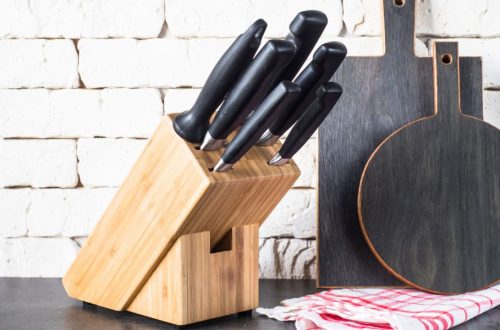
A sharp, well-balanced knife changes how the body moves in the kitchen. Prep becomes smooth instead of cautious, and ingredients respond predictably. I rely on a single chef’s knife for most tasks because familiarity breeds speed and accuracy. That consistency removes hesitation and keeps momentum intact.
Effortless cooking depends on trust, and a good knife earns that trust quickly. Cuts feel clean rather than forced, and fatigue stays low even during long prep sessions. Instead of adjusting grip or pressure constantly, my hands follow instinct. That ease carries through the entire meal.
Cutting Boards That Stay Put
A cutting board that slides interrupts focus in subtle but persistent ways. I use boards that stay anchored to the counter, either through weight or a simple damp towel underneath. That stability lets me work quickly without checking alignment every few seconds. The surface becomes an extension of the counter rather than a separate object to manage.
Size matters just as much as grip. A generous board allows ingredients to spread out naturally. Nothing piles up or falls off the edge. That space keeps prep calm and controlled.
Cookware That Responds Predictably
Effortless cooking relies heavily on cookware that behaves consistently. Pans that heat evenly remove guesswork and reduce constant adjustments. I favor pieces that hold temperature well and recover quickly after adding ingredients. That reliability lets me focus on timing and flavor instead of fighting hot spots.
A pan that performs predictably encourages confidence. I know how long it takes to sear, simmer, or reduce. Those expectations free mental space and reduce stress. Cooking becomes responsive rather than reactive.
Tongs That Feel Like an Extension of the Hand
Good tongs replace several tools at once. They flip, lift, stir, and serve with minimal effort. I keep a sturdy pair within arm’s reach because they handle most tasks without switching tools. That continuity keeps movement fluid.
Effortless cooking often means fewer interruptions. Tongs support that by adapting instantly to different needs. Their grip provides feedback, allowing precise control without squeezing hard. That subtle ease adds up quickly.
Mixing Bowls That Support Workflow
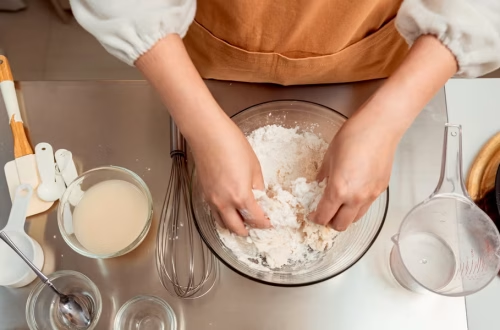
Mixing bowls seem simple, yet the right ones streamline the entire process. I rely on bowls that are light, durable, and easy to move around the kitchen. Different sizes allow me to prep multiple components without stopping to wash and reuse. That separation keeps everything organized and stress-free.
Bowls that nest neatly reduce clutter and decision fatigue. I can grab what I need without thinking. Their presence supports flow rather than interrupting it. That’s the hallmark of effortless tools.
Measuring Tools That Eliminate Guesswork
Accuracy simplifies cooking when it removes doubt. A digital scale lets me measure directly into a bowl, saving time and dishes. This approach keeps the process smooth and uninterrupted. I don’t second-guess quantities or worry about consistency.
Measuring spoons and cups still have their place, especially for small amounts. Tools that deliver clarity allow me to move forward with confidence. That certainty reduces hesitation and keeps momentum intact.
Thermometers That Quiet the Mind
Uncertainty is effort in disguise. An instant-read thermometer removes that uncertainty in seconds. I use it to confirm doneness without cutting into food or relying on guesswork. That clarity reduces anxiety and prevents overcorrection.
Knowing exact temperatures allows me to relax and focus on other elements of the meal. The tool works quietly, offering reassurance rather than instruction. Effortless cooking thrives on that kind of support.
Sheet Pans That Handle Multiple Roles
Sheet pans earn their place by doing far more than one job. I roast vegetables, bake proteins, toast spices, and even prep ingredients on them. Their flat, sturdy surface adapts easily to different tasks. That versatility reduces tool switching and cleanup.
Using the same pan across stages of cooking maintains continuity. I can move seamlessly from prep to oven without pause. That adaptability keeps the process smooth and efficient.
Spatulas That Respect Food and Cookware
A flexible spatula with the right balance of firmness and give makes cooking feel cooperative. It slides under food cleanly without tearing or scraping. I use different shapes for different tasks, but all share the same reliable feel. That consistency builds trust quickly.
Spatulas that handle heat well remove hesitation near the stove. I don’t worry about warping or melting. Instead, attention stays on timing and texture. Effortless tools remove unnecessary caution.
Wooden Tools That Encourage Control
Wooden spoons and spatulas bring a sense of calm to cooking. They feel natural in the hand and respond intuitively to pressure. I use them for stirring, folding, and scraping without worrying about damage to cookware. That freedom encourages relaxed movement.
These tools don’t distract with noise or stiffness. Their simplicity supports focus rather than demanding it. Over time, they become familiar companions rather than objects. That familiarity lowers effort across every meal.
Blenders and Processors That Save Energy
Some tasks are better handled by machines, especially when repetition would drain energy. A reliable blender smooths soups and sauces quickly without fuss. A food processor handles chopping and shredding with consistent results. These tools shorten prep without sacrificing control.
Ease comes from simplicity of use and cleanup. Machines that assemble and wash easily get used more often. That regular use integrates them naturally into cooking routines. Effortless cooking welcomes help that doesn’t complicate.
Storage Containers That Reduce Friction
Good storage supports effortless cooking long before the stove turns on. Clear, stackable containers let me see ingredients and leftovers instantly. That visibility reduces searching and decision fatigue. Everything has a place, and that order saves time.
Containers that transition from fridge to counter smoothly support flow. I don’t transfer ingredients unnecessarily. That continuity keeps movement efficient and focused. Effortless cooking often starts with good organization.
Timers That Protect Attention
Cooking multiple components requires awareness without constant checking. Simple timers handle that responsibility quietly. I set them and move on, trusting they’ll call me back at the right moment. That trust frees attention for other tasks.
Effortless cooking values mental space as much as physical ease. Timers reduce the need to hover. They support pacing and coordination without stress. That calm control makes the entire process feel lighter.
Bench Scrapers That Keep Things Moving
A bench scraper is small, simple, and incredibly effective. I use it to transfer ingredients, clean surfaces, and portion dough. Its efficiency keeps hands clean and counters clear. That tidiness supports momentum.
Instead of stopping to wipe or scoop repeatedly, the scraper handles it in one motion. That efficiency reduces interruptions. Effortless cooking depends on tools that respect movement and time.
Lids That Fit and Function Well
A well-fitting lid controls moisture and heat without adjustment. I value lids that sit securely and feel balanced. They trap steam when needed and release it gently when lifted. That predictability simplifies timing.
Poorly fitting lids demand constant attention. Good ones disappear into the process. Their quiet reliability supports smooth cooking without distraction. That subtle ease matters more than it seems.
Tools That Match Real Habits
Effortless cooking happens when tools align with how cooking actually unfolds. Tools that demand special conditions or rare occasions rarely feel easy. I keep tools that support daily meals rather than aspirational ones. That alignment reduces friction.
Tools earn their place through repetition. If something gets used weekly or daily, it becomes intuitive. That familiarity removes effort before it even appears. The kitchen adapts to routine rather than fighting it.
Fewer Tools, Deeper Familiarity
An overloaded kitchen slows everything down. Too many options create hesitation. I find that fewer tools used well outperform crowded drawers every time. Familiarity builds speed and confidence.
Knowing exactly where something is and how it behaves reduces cognitive load. Decisions become automatic rather than deliberate. Effortless cooking thrives in that environment. Simplicity supports flow.
Maintenance That Preserves Ease
Tools stay effortless when they’re cared for properly. Sharp knives, clean surfaces, and functioning parts maintain trust. I make small maintenance habits part of my routine. Those habits prevent larger frustrations later.
A tool that works as expected removes mental effort. Maintenance protects that reliability. Effortless cooking isn’t passive; it’s supported by attention behind the scenes. That quiet care pays off daily.
Emotional Ease and Creative Freedom
Effortless cooking isn’t just physical. It’s emotional. Tools that cooperate rather than resist reduce irritation and fatigue. That emotional ease opens space for creativity and enjoyment.
When tools fade into the background, cooking feels expressive rather than procedural. I focus on flavor, balance, and timing without distraction. That freedom is the real reward of effortless tools.
Final Thoughts
Tools that make cooking feel effortless don’t shout for attention. They work in harmony with movement, habit, and intention. Their value shows up in smooth transitions, calm pacing, and consistent results. Effortless cooking grows from trust built over time.
A supportive kitchen isn’t about owning everything. It’s about owning what works quietly and well. The right tools remove friction instead of adding features. That simplicity transforms cooking into something steady, satisfying, and deeply enjoyable.