Kitchen drawers have a way of telling the truth. Open them slowly and you can see what actually earns its place versus what was bought on impulse and forgotten. I have spent enough time cooking, reorganizing, and quietly questioning my own purchases to see a clear divide form between gadgets and essentials. That divide has nothing to do with price or novelty and everything to do with how a kitchen supports real cooking.
Cooking is practical before it is impressive. Meals come together through repetition, rhythm, and tools that feel familiar in the hand. Over time, I realized that a well-functioning kitchen is not defined by how many tools it holds, but by how reliably those tools show up in daily use. That realization reshaped how I see gadgets and essentials, and it changed how my kitchen works for me.
How Gadgets Enter the Kitchen
Gadgets rarely arrive quietly. They come wrapped in promise, often marketed as solutions to problems I did not know I had. A gadget usually does one very specific task and does it in a way that feels clever or futuristic. That sense of novelty can be hard to resist, especially for anyone who genuinely enjoys cooking.
Many gadgets enter the kitchen through moments of excitement. A new recipe sparks curiosity, a video demonstrates speed and ease, or a display in a store suggests efficiency. The problem is not that gadgets fail to work, but that their usefulness fades once the novelty wears off. After a few uses, they often end up pushed to the back of a drawer, waiting for a reason to exist again.
What Defines an Essential
Essentials behave very differently. They do not need explanation or persuasion to justify their presence. An essential earns its place through constant use and quiet reliability. These are the tools I reach for without thinking, the ones that feel almost invisible because they are so integrated into my routine.
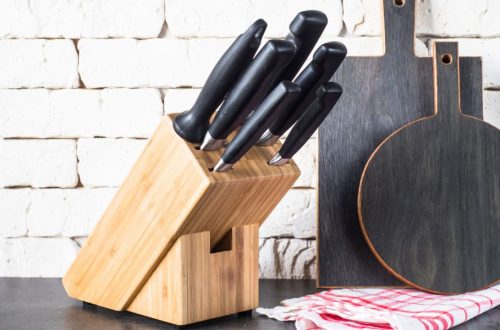
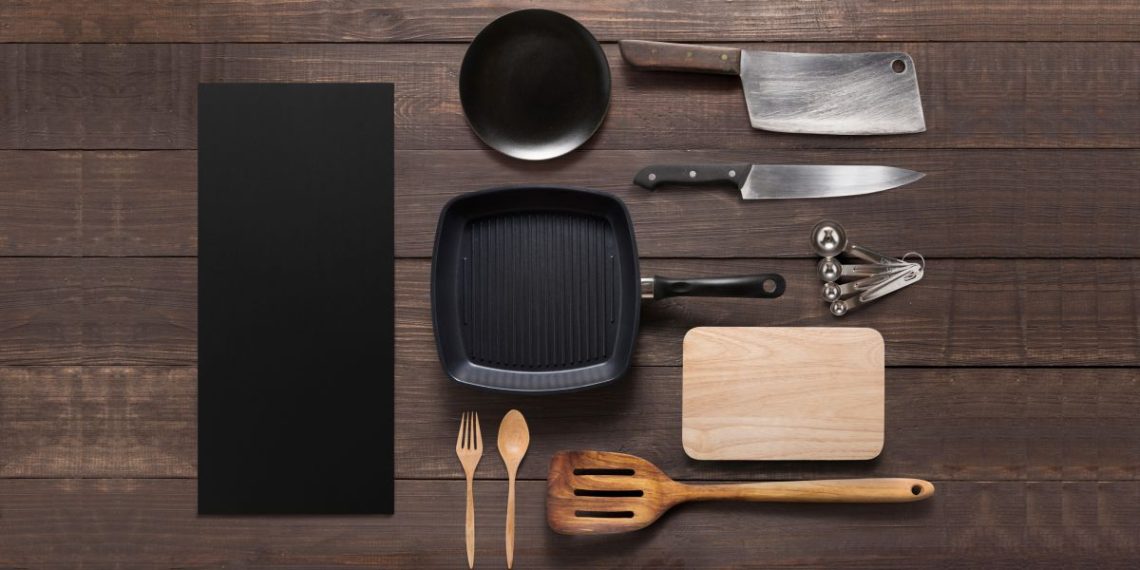
An essential usually performs multiple tasks or supports a core cooking process. Knives, pans, cutting boards, mixing bowls, and heat sources fall into this category because cooking simply cannot happen without them. They age alongside my skills, adapting to different recipes and techniques without becoming obsolete. Essentials feel less like products and more like extensions of my hands.
Frequency of Use as the Clearest Test
The simplest way I differentiate gadgets from essentials is by frequency of use. If a tool is used weekly or even daily, it begins to justify its space naturally. If months pass without touching it, that silence speaks loudly. Frequency reveals truth faster than intention.
This test removes emotion from the equation. It does not matter how much something cost or how well-reviewed it was. What matters is whether it actively supports the way I cook now. Essentials pass this test effortlessly, while gadgets often struggle to prove themselves beyond occasional novelty.
Single-Function Versus Flexible Tools
Most gadgets are designed to solve one narrow problem. They slice only one way, measure one thing, or prepare one ingredient. That specialization is what makes them attractive, but it is also what limits them. Once that specific task is no longer needed, the gadget has no secondary purpose.
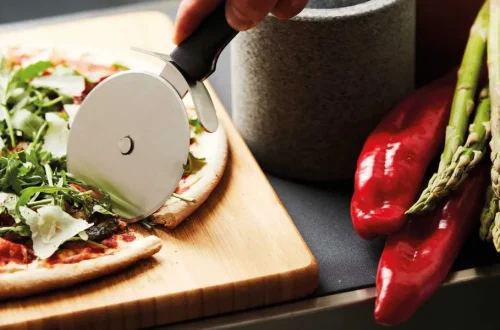
Essentials, on the other hand, thrive on flexibility. A good knife adapts to vegetables, meat, herbs, and fruit. A heavy pan can sauté, sear, bake, and simmer. Flexible tools grow with the cook, while single-function gadgets stay frozen in the moment they were bought.
Storage Pressure and Visual Noise
Gadgets create clutter faster than essentials because they demand space without offering consistency. Their shapes are often awkward, making them difficult to stack or store efficiently. Over time, they create visual noise that makes the kitchen feel crowded and chaotic.
Essentials tend to store well because they were designed with longevity in mind. They stack, nest, or hang neatly. A kitchen dominated by essentials feels calmer because everything has a clear purpose and place. That calm has a direct impact on how enjoyable cooking feels.
Emotional Buying Versus Practical Decisions
Gadgets often enter the kitchen through emotional decisions. Excitement, curiosity, or the desire to improve efficiency can override practicality. In those moments, the future version of myself feels more ambitious, more experimental, and more likely to use specialized tools.
Essentials usually come from practical needs. They are bought to replace worn-out tools or to support a skill that is already part of my routine. The decision feels grounded rather than impulsive. That difference in motivation often determines whether a tool becomes indispensable or forgotten.
Marketing Language and Reality
Gadgets rely heavily on marketing language. Words like revolutionary, effortless, and game-changing are common because they need persuasion to exist. The promise is often speed or precision, suggesting that cooking will improve instantly with the right device.
Essentials rarely need that kind of language. Their value is self-evident once used. A solid pan does not promise transformation, yet it delivers consistency every time. Over time, I learned to be wary of tools that need to explain themselves too loudly.
Skill Development and Tool Dependence
Another key difference lies in how tools interact with skill. Gadgets often attempt to replace technique with mechanism. They promise perfect results regardless of experience, which can be appealing but limiting. Relying too heavily on gadgets can stall skill development because the process is outsourced to the tool.
Essentials support learning rather than replacing it. They respond to technique and improve alongside it. A knife becomes more effective as cutting skills improve. A pan teaches heat control through experience. Essentials reward attention and practice, deepening the relationship between cook and craft.
Cleaning and Maintenance Realities
Cleaning is an overlooked factor in the gadget versus essential conversation. Gadgets often have multiple parts, crevices, and attachments that require careful cleaning. That extra effort discourages frequent use and contributes to abandonment over time.
Essentials tend to clean easily and predictably. Their simplicity makes maintenance part of the routine rather than a burden. Tools that are easy to clean get used more often, which reinforces their essential status. Convenience matters long after novelty fades.
Longevity and Wear
Gadgets are often built for short-term use. Materials may wear quickly, replacement parts become unavailable, or newer versions render them outdated. Their lifespan is tied closely to trends and marketing cycles.
Essentials are designed for longevity. They age visibly but remain functional. A well-made pan or knife can last decades with proper care. This durability builds trust and familiarity, qualities that gadgets rarely achieve.
Budget Allocation and Value
Spending habits reveal priorities. Gadgets often represent small, frequent purchases that add up over time. Individually, they may seem affordable, but collectively they consume both money and space.
Essentials usually require a higher upfront investment but deliver better long-term value. One reliable tool replaces several mediocre ones. Over time, investing in essentials reduces waste and regret, making the kitchen more efficient financially and functionally.
Social Influence and Kitchen Identity
Gadgets often reflect external influence. They mirror trends, social media content, and aspirational cooking styles. Owning them can feel like participating in a larger food culture, even if actual use is limited.
Essentials reflect personal cooking identity. They are shaped by habits, preferences, and lived experience. A kitchen built around essentials feels personal rather than performative. It supports how I cook rather than how cooking looks online.
Letting Go of Gadget Guilt
Letting go of unused gadgets can feel uncomfortable. There is often guilt attached to money spent or intentions unmet. I learned that holding onto unused tools does not recover that value, it only extends the cost through clutter.
Releasing gadgets creates space for clarity. It sharpens awareness of what truly matters in the kitchen. That process reinforces the difference between tools that support daily life and those that were meant to impress briefly.
Building a Kitchen Around Essentials
A kitchen centered on essentials feels different immediately. Movement becomes easier, decisions become faster, and cooking becomes less stressful. Every tool has a role, and that role is understood instinctively.
This kind of kitchen adapts easily. New recipes feel accessible because the tools are versatile and familiar. Instead of searching for the right gadget, I focus on technique and flavor. That shift improves both confidence and enjoyment.
How Gadgets Can Still Have a Place
Not all gadgets are useless. Some earn their place by filling a genuine gap or supporting a specific need. The difference is awareness. A gadget becomes acceptable when it proves consistent value rather than potential.
The key is restraint. Allowing a few well-chosen gadgets prevents excess without enforcing rigidity. The kitchen remains practical while still accommodating personal preferences. Balance comes from intention, not denial.
Final Thoughts
The difference between gadgets and essentials becomes clear through use, not theory. Essentials reveal themselves through repetition, reliability, and adaptability. Gadgets rely on excitement, specialization, and promise. Recognizing that difference transforms the kitchen into a space that works rather than one that impresses.
Cooking thrives in environments built on trust and simplicity. By prioritizing essentials and being honest about gadgets, the kitchen becomes calmer, more functional, and more enjoyable. That clarity makes every meal feel grounded, capable, and genuinely satisfying.