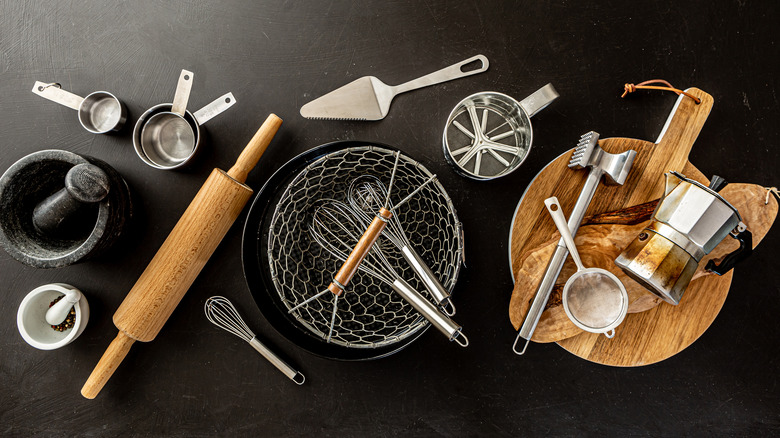
A cluttered kitchen quietly drains energy, time, and creativity, especially when cooking is something I genuinely enjoy. I want tools that work, ingredients that inspire, and enough space to move freely without knocking over a stack of mismatched lids. Over time, I realized that being well-equipped does not require owning everything that looks useful or trendy. The balance comes from being intentional, practical, and honest about how I actually cook on a day-to-day basis.
I cook often, sometimes elaborately and sometimes just to get a comforting meal on the table. That range is exactly why clutter can creep in so easily, because every cooking mood seems to justify another gadget or pan. What finally changed things for me was shifting my focus from accumulation to function. Instead of asking whether an item could be useful someday, I started asking whether it earned its place through regular, meaningful use.
Rethinking What “Well-Equipped” Really Means
Being well-equipped used to mean having options for every possible scenario. That mindset filled drawers with tools designed for single tasks and shelves with appliances that only came out once a year. Over time, I noticed that most of my meals relied on a surprisingly small group of tools and cookware. The rest simply sat there, demanding storage space and mental attention.
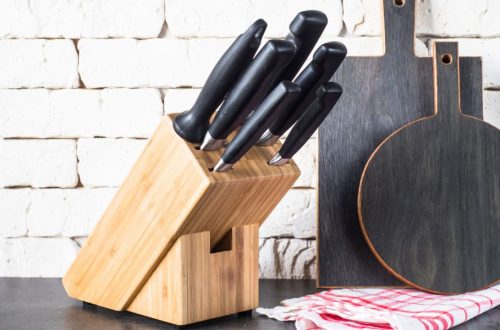
I began redefining what well-equipped meant in practical terms. For me, it now means having reliable tools that can handle multiple tasks without fuss. A sharp chef’s knife, a solid cutting board, and a few versatile pans do far more work than a cabinet full of specialty items. This shift instantly reduced clutter because it narrowed my focus to essentials that truly supported how I cook.
Letting Cooking Habits Lead the Decisions
Clutter often builds when shopping decisions are disconnected from real habits. I had to take an honest look at what I actually cook during a typical week rather than what I imagine myself cooking someday. The meals I prepare most often are simple, ingredient-driven, and adaptable. Once I accepted that, many items lost their justification for staying.
By aligning my kitchen with my real cooking rhythm, it became easier to let go of tools that belonged to a fantasy version of my routine. If I rarely bake elaborate pastries, I do not need a drawer full of specialized baking tools. Matching equipment to habits creates a kitchen that feels lighter and more supportive, rather than crowded and overwhelming.
Multipurpose Tools as the Foundation
One of the biggest breakthroughs came from prioritizing multipurpose tools. Items that can perform several roles naturally reduce clutter because they replace multiple single-use gadgets. A sturdy saucepan that works for sauces, grains, and reheating leftovers earns its space every single day. The same goes for a cast iron skillet that handles searing, baking, and shallow frying without complaint.
Multipurpose tools also simplify decision-making while cooking. I am not rummaging through drawers trying to remember which gadget does what. Everything feels intuitive, which makes cooking smoother and more enjoyable. Less visual noise in the kitchen translates into more mental clarity when preparing meals.
Setting Clear Limits for Each Category
Unlimited space invites unlimited clutter, so I started setting physical limits for categories of items. One drawer for utensils, one shelf for small appliances, one cabinet for dry goods containers. Once that space is full, something has to go before anything new comes in. This simple rule forces intentional choices without constant decluttering sessions.
Limits also help prevent impulse purchases. When I see a new kitchen tool, I mentally assign it a home. If there is no room without removing something else, the decision becomes much easier. This approach keeps the kitchen balanced over time rather than swinging between cluttered chaos and aggressive purges.
Being Selective With Appliances
Small appliances are some of the biggest clutter offenders in any kitchen. They promise convenience but often deliver bulk and infrequent use. I became much more selective about which appliances deserved permanent counter or cabinet space. If an appliance could not justify its footprint through regular use, it was not staying.
This does not mean avoiding appliances altogether. It means choosing ones that genuinely improve my cooking experience. A reliable blender that handles sauces, soups, and smoothies replaces several single-function machines. By focusing on quality and versatility, I keep the kitchen well-equipped without turning it into an appliance showroom.
Managing Ingredients Without Overcrowding
Clutter is not limited to tools and equipment. Ingredients can quietly take over shelves, especially when cooking enthusiasm meets bulk buying. I love having a well-stocked pantry, but I learned that abundance without organization quickly becomes wasteful. Ingredients get forgotten, expire, and create visual mess.
I now keep my pantry stocked with ingredients I use regularly and rotate them consistently. Clear containers help me see what I have at a glance, reducing duplicates and unnecessary purchases. This system keeps the kitchen ready for spontaneous cooking while maintaining a sense of order and calm.
Letting Go Without Guilt
One of the hardest parts of avoiding clutter is letting go of items that still work. I had to release the guilt attached to getting rid of something just because it was once useful or expensive. If an item no longer fits my cooking style or space, keeping it only adds friction to my daily routine.
Letting go does not mean failure or waste. Donating usable items or passing them on to someone who will actually use them feels far better than letting them collect dust. Each item removed creates breathing room, making the kitchen more functional and enjoyable.
Storage That Supports, Not Hides, Clutter
Smart storage is about accessibility, not cramming more into hidden spaces. I stopped viewing storage as a way to hide clutter and started seeing it as a way to support flow. Items I use daily are easy to reach, while occasional-use tools are stored neatly without blocking access to essentials.
This approach prevents overstuffed cabinets where everything topples out when opened. When storage supports visibility and access, it naturally discourages excess. If something is hard to reach or awkward to store, it often signals that it does not belong in the kitchen at all.
Creating Breathing Room on Countertops
Clear countertops have a powerful effect on how a kitchen feels. They make the space look larger, calmer, and more inviting. I became intentional about what earns a permanent spot on the counter. Only items used daily or almost daily stay out, and even those must justify their presence.
Breathing room on countertops also improves workflow. There is space to prep ingredients, plate food, and move comfortably. This simple change makes cooking feel less rushed and more enjoyable, reinforcing the idea that less clutter leads to better experiences in the kitchen.
Avoiding Trend-Driven Accumulation
Food trends and social media can make it tempting to buy tools tied to specific cooking styles or viral recipes. I have learned to pause before purchasing anything inspired by a trend. Most trends pass quickly, but clutter lingers much longer. If a tool does not fit into my long-term cooking habits, it does not come home with me.
This mindset protects both space and focus. Cooking remains grounded in enjoyment and nourishment rather than chasing novelty. By resisting trend-driven accumulation, the kitchen stays relevant to my life instead of reflecting fleeting online moments.
Maintaining Balance Over Time
Avoiding clutter is not a one-time project but an ongoing practice. I regularly reassess what I use and what quietly slipped into neglect. These check-ins are quick and practical, not dramatic cleanouts. They help keep the kitchen aligned with my current habits and needs.
Maintenance also becomes easier when clutter is already under control. A few thoughtful decisions each month prevent the slow buildup that leads to frustration. The kitchen stays well-equipped, adaptable, and welcoming without constant effort.
Cooking More Freely With Less
A clutter-free kitchen supports creativity rather than limiting it. With fewer distractions and obstacles, cooking feels more fluid and intuitive. I can focus on flavors, textures, and techniques instead of searching for tools or clearing space. The simplicity enhances confidence and enjoyment.
This freedom reminds me that cooking is not about owning more but using what I have well. A thoughtfully equipped kitchen invites experimentation without chaos. It proves that restraint can be just as empowering as abundance.
Final Thoughts
Avoiding clutter while staying well-equipped is about clarity, not restriction. By aligning tools and ingredients with real habits, setting boundaries, and valuing versatility, the kitchen becomes a space that supports cooking rather than complicating it. The result is a calmer, more efficient environment where meals come together with less stress and more satisfaction.
A well-equipped kitchen does not shout its completeness through excess. It quietly proves itself every time a meal comes together smoothly. That balance is what keeps me cooking with confidence, comfort, and genuine enjoyment day after day.