Time disappears quickly in the kitchen, often in ways that are easy to overlook. Chopping, adjusting, fixing mistakes, and cleaning up small inefficiencies quietly add minutes that turn into hours over a week. I’ve spent enough evenings cooking tired and hungry to notice how certain tools either drain energy or give it back. Over time, one simple tool has consistently saved me more time than any appliance I’ve owned.
That tool isn’t electric, flashy, or expensive. It doesn’t plug in or beep or promise shortcuts on the box. What it does is remove friction at nearly every stage of cooking, from prep to plating. Once I recognized its impact, it reshaped how I think about efficiency in the kitchen.
Why Speed in the Kitchen Often Feels Elusive
Cooking time rarely disappears in one dramatic place. It leaks out through hesitation, awkward movements, and repeated tasks that should feel smoother. I notice it when I’m pausing to correct cuts, scraping food off surfaces, or adjusting my grip to feel safe. Those pauses break momentum and stretch simple meals into longer projects.
Appliances promise speed, but they often require setup, cleanup, and storage considerations. That overhead eats into the time they claim to save. True efficiency feels different. It shows up as uninterrupted flow rather than sudden bursts of speed.
The Tool That Changes Everything
A sharp, well-balanced chef’s knife has saved me more time than any appliance ever has. Not a gadget knife or a novelty blade, but a reliable, properly maintained chef’s knife that fits my hand. The difference it makes touches almost every recipe I cook. Prep becomes faster, cleaner, and more precise without conscious effort.
This isn’t about professional ambition or fancy technique. It’s about how often a knife is used and how deeply it influences every step that follows. Once I experienced that consistency, everything else in the kitchen adjusted around it.
How Precision Eliminates Rework
Poor cuts lead to uneven cooking. Uneven cooking leads to adjustments, stirring, flipping, and second-guessing. I’ve noticed how a dull or awkward knife creates small inconsistencies that ripple through the entire dish. Fixing those problems takes time and attention.
A sharp knife produces consistent pieces quickly. Consistency allows predictable cooking. Predictability reduces the need for constant monitoring. Time saved at the cutting board shows up later at the stove.
Speed Without Rushing
True speed doesn’t feel frantic. With a good knife, movements feel controlled rather than hurried. I move faster because I don’t need to slow down for safety or accuracy. That balance keeps energy steady instead of spiking and crashing.
Rushing often causes mistakes that demand correction. A reliable knife removes the urge to rush by making efficiency feel natural. The pace stays calm even as prep time shrinks.
Reduced Setup and Cleanup Time
Appliances require assembly, disassembly, and cleaning. Food processors, blenders, and choppers all promise speed but demand attention before and after use. I’ve lost count of how many times I avoided an appliance because cleanup felt heavier than the task itself.
A knife skips that overhead. One tool, one board, and minimal cleanup. Fewer parts mean fewer interruptions. That simplicity adds up over time.
How Confidence Speeds Decision-Making
Hesitation slows cooking more than most people realize. Doubt about cuts or safety makes hands cautious. I notice myself double-checking grip and angle when using inferior tools. That mental friction adds invisible minutes.
A good knife builds trust. Decisions feel quicker because confidence is higher. Confidence allows instinct to take over. Instinct moves faster than calculation.
The Role of Muscle Memory
Repetition builds efficiency only when tools behave consistently. A knife that responds the same way every time reinforces muscle memory. My hands learn distances, pressure, and angles without conscious thought. That learning compounds over months and years.
Inconsistent tools interrupt that process. Adjustments reset progress. A dependable knife allows muscle memory to deepen. Deeper muscle memory means faster prep with less effort.
Fewer Injuries, Fewer Interruptions
Minor nicks and slips slow everything down. Even small injuries force caution or pauses. I’ve noticed how dull knives cause more slips than sharp ones. That paradox catches many people off guard.
A sharp knife cuts where intended. Control improves, and accidents decrease. Less interruption means smoother sessions. Smooth sessions finish faster.
How One Tool Simplifies Meal Planning
Knowing prep will be efficient changes how I plan meals. I’m more willing to cook from scratch when prep feels manageable. That willingness reduces reliance on shortcuts that often require appliances. Ironically, fewer appliances enter the equation.
Meal planning becomes more flexible. Quick chopping opens space for spontaneous decisions. Flexibility saves time by reducing overplanning and last-minute adjustments.
The Impact on Weeknight Cooking
Weeknights test patience. Energy is low, and hunger is high. Tools that complicate prep feel heavier after long days. I’ve noticed how a good knife lowers the barrier to starting dinner.
Faster prep shortens the gap between hunger and eating. That gap influences mood and focus. Shortening it makes cooking feel less like a chore. Time feels reclaimed rather than spent.
Why Appliances Rarely Touch Prep Time
Most appliances activate after prep begins. Ingredients still need trimming, peeling, and portioning. The knife does that foundational work. Without efficiency at that stage, appliances can’t compensate.
A faster prep stage amplifies the value of every other step. Appliances become optional enhancements rather than necessities. The knife sets the baseline speed.
Storage and Accessibility Matter
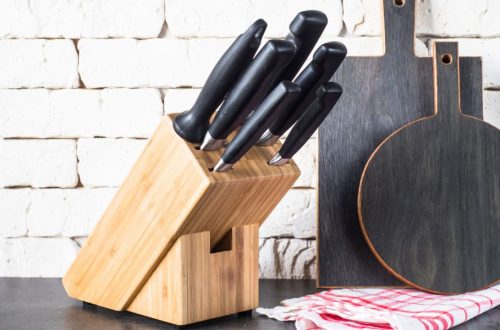
Time is lost searching for tools. A knife that lives in an accessible, safe place gets used constantly. I’ve noticed how convenience affects choice. Tools that require effort to access get ignored.
Keeping one essential knife within reach encourages consistent use. Consistency breeds efficiency. The easier it is to grab, the more time it saves overall.
Why Quality Matters More Than Quantity
Owning many knives doesn’t equal efficiency. Switching between tools slows momentum. I’ve experienced more speed with one excellent knife than with a drawer full of mediocre ones. Familiarity sharpens efficiency.
Quality reduces the need for alternatives. One trusted tool simplifies decisions. Simplified decisions save time. Minimalism supports speed.
The Maintenance Factor
Maintenance influences performance. A knife that’s regularly cared for stays efficient. Sharpening takes far less time than compensating for dullness every day. That tradeoff pays off quickly.
Neglect forces workarounds. Workarounds slow everything down. Simple maintenance protects long-term efficiency. Time invested upfront returns daily dividends.
How the Knife Shapes the Entire Workflow
Prep influences cooking order, timing, and confidence. Efficient cutting shortens the gap between idea and execution. I notice how smooth prep sets a positive tone for the entire session. That tone affects focus.
A calm workflow reduces mistakes. Fewer mistakes mean fewer corrections. Corrections consume time. The knife quietly prevents them.
Emotional Energy and Time Perception
Stress stretches time. Relaxation compresses it. When tools cooperate, cooking feels shorter even if the clock disagrees. I finish sessions feeling less drained.
That perception matters. Feeling efficient encourages repetition. Repetition reinforces habits that save more time. Emotional energy feeds practical efficiency.
Why This Tool Scales With Skill
As skills improve, the knife becomes even more valuable. Advanced techniques rely on precision and control. The better the knife, the more those techniques save time. Skill and tool amplify each other.
Appliances often plateau. Their speed stays fixed. A knife’s speed grows with the cook. That scalability keeps it relevant indefinitely.
Cost Versus Time Value
A good knife pays for itself in saved time. Minutes saved daily turn into hours monthly. I’ve found that investment easier to justify once I measured value in time rather than money.
Appliances depreciate quickly. Knives age more gracefully. Long-term value favors simplicity. Time efficiency becomes the real return.
The Habit-Forming Nature of Ease
Ease encourages repetition. Repetition builds habits. Habits automate behavior. Automation saves time. The knife supports this entire chain.
Cooking becomes routine rather than resistance. That shift changes daily rhythms. Time feels more predictable. Predictability reduces stress.
The Psychology of Flavor: Why Some Meals Feel More Satisfying
Flavor perception connects to the cooking experience itself. Efficient prep reduces mental clutter. Less clutter allows attention to seasoning, texture, and timing. Meals benefit from that focus.
Confidence during prep carries into cooking. That confidence sharpens taste judgment. Satisfaction grows not only from flavor but from the process behind it. The knife quietly supports that satisfaction.
Final Thoughts
The one tool that saves more time than any appliance isn’t complicated or loud. It works through consistency, precision, and trust. A good chef’s knife removes friction at the most frequent stage of cooking and lets everything else flow.
Efficiency in the kitchen rarely comes from shortcuts. It comes from removing obstacles. This tool does that better than anything else I’ve used. Time saved accumulates quietly, meal after meal, making cooking feel lighter and more rewarding.