
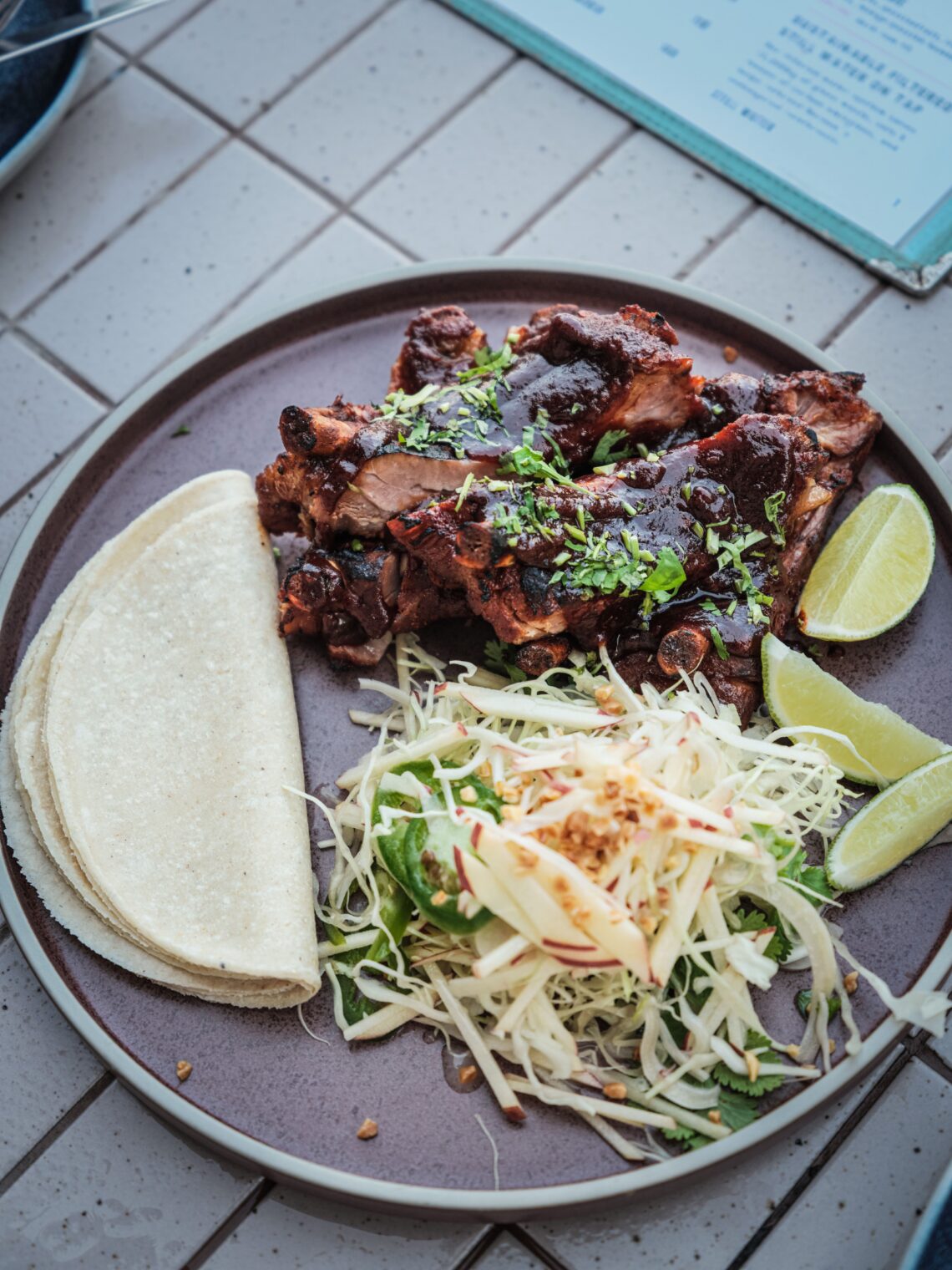
There’s a moment about forty minutes into making mole when the kitchen smells like nothing else on earth. Toasted dried chiles, warm spices, a square of dark chocolate melting into a sauce that’s almost black it’s the kind of smell that stops people in the doorway. That moment is why you make this dish. And it’s the reason the shortcut version, the one from the jar or the tablet of pressed paste, never quite gets there.
Mole negro and mole poblano are the versions most home cooks encounter first, and for good reason. They’re built around dried chiles and chocolate, the combination that confuses people until they taste it and then can’t imagine it any other way. The sauce isn’t sweet, and it isn’t bitter. It lands somewhere between the two, with a depth that comes from toasting, blending, and a long, slow simmer. Chicken is the classic pairing: the mild meat doesn’t compete with the sauce; it carries it.
The chile question is where most home recipes fall apart. Mole traditionally uses multiple dried chile varieties in combination; ancho, mulato, and pasilla are the trio that appears most often in central Mexican cooking. Each one contributes something different: ancho brings mild heat and a faint raisin note, mulato adds earthiness, pasilla a sharper, almost smoky edge. Using just one, or skipping this step and going straight to chile powder, produces a flat, one-dimensional sauce. It tastes fine. It doesn’t taste like mole.
And here’s the part most recipes rush past: the toasting. Dried chiles need to go into a dry skillet over medium heat, pressed flat with a spatula, for about thirty seconds per side. You’re looking for them to puff slightly and darken just a shade, not blacken. Done right, they smell like dark chocolate and dried fruit. Overdone, they turn bitter, and the whole pot turns with them. Pull them the moment the aroma hits you, not when the clock says to.
Building the Sauce
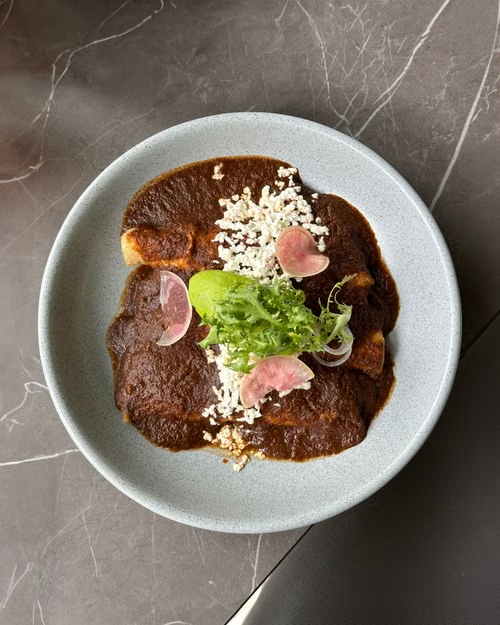
After toasting, the chiles soak in hot water until soft, twenty minutes or so, then go into a blender with the soaking liquid, toasted sesame seeds, a charred onion half, garlic that’s been browned in a dry pan, and a handful of soaked raisins. Raisins sound like the odd addition until you understand what they’re doing: they’re rounding out bitterness and adding a quiet sweetness that lets the chocolate land properly later. Mexican chocolate, or a combination of dark chocolate and a pinch of cinnamon, goes in toward the end of cooking. A small amount. Mole shouldn’t taste like hot cocoa. It should taste like something that took all afternoon.
The sauce gets puréed until very smooth, then strained through a medium sieve if you want the silkiest result (though many cooks skip this step and no one complains). It goes back into the pot with chicken stock and simmers low for at least thirty minutes, stirring regularly. This is the part where mole rewards patience. The sauce thickens, the flavors knit together, and the color deepens from reddish-brown to something closer to mahogany. Season it at the end; mole needs salt later than you’d expect, because the flavors keep concentrating as it cooks.
On the Chicken
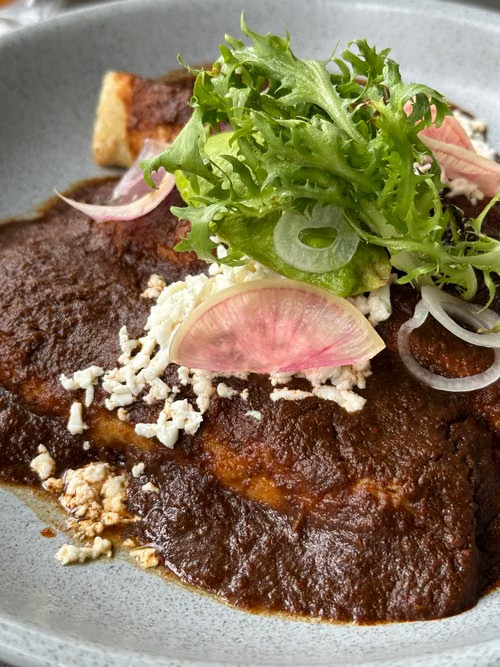
Bone-in, skin-on thighs and drumsticks are the right cut here. They hold up to the braising the sauce demands, and the fat from the skin enriches the mole as everything simmers together. Season the pieces, brown them in oil until the skin is golden, then nestle them into the finished mole and let them cook through in the sauce, about thirty to thirty-five minutes at a low simmer. The chicken finishes tender, the sauce clings to every surface, and the fat from the skin makes the whole thing glossy in a way that stock alone never achieves.
One thing worth knowing: mole is dramatically better the next day. The flavors settle overnight in a way that’s almost unfair; the sauce you tasted at dinner tastes like a different, more confident version of itself by lunch the following afternoon. Make it a day ahead when you can. Reheat it gently with a splash of stock if it’s thickened too much in the refrigerator.
What to Serve With It
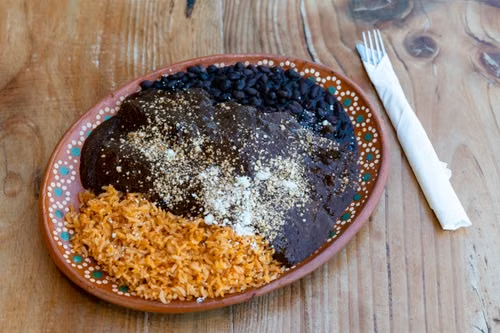
Warm corn tortillas are the traditional pairing, and they do the job better than anything else. They’re made for sauce-soaking. White rice works well too; it absorbs the mole without competing with it, and the contrast of the dark sauce against plain rice is the kind of thing that makes a table look like you knew what you were doing. Sesame seeds scattered over the top at serving aren’t just decoration; they echo the seeds in the sauce and add a small crunch against the tender chicken.
Mole is one of those dishes that asks for your attention in a way most weeknight recipes don’t. It won’t happen in thirty minutes. But it also won’t require professional skills or hard-to-source ingredients; most of what you need is available in any market with a decent Latin foods section. The payoff is a sauce that genuinely can’t be replicated from a jar, and a kitchen that smells like somewhere worth being for the rest of the afternoon.
Whether mole belongs in the category of “weeknight cooking” or “special occasion cooking” is a question home cooks seem to disagree on, which is probably a sign it sits right at the interesting edge of both.
Sources
Background on chile varieties, traditional ingredients, and regional mole styles
Technique reference for toasting chiles, building depth, and sauce structure
This article was created with AI assistance and reviewed for clarity and accuracy.

