Ingredient quality shapes the entire cooking experience, from the moment food hits the pan to the way a meal lingers in memory. In my kitchen, the difference between an ordinary dish and one that feels deeply satisfying almost always traces back to what went into it, not what was done to it. Technique matters, but ingredients set the ceiling. No method can fully compensate for food that arrives tired, bland, or overworked.
Cooking feels different when ingredients are good. Movements slow down, seasoning becomes lighter, and decisions feel clearer. The process shifts from fixing problems to preserving what already exists. That shift changes not only the outcome on the plate but also the mindset of the person cooking.
Flavor Starts at the Source
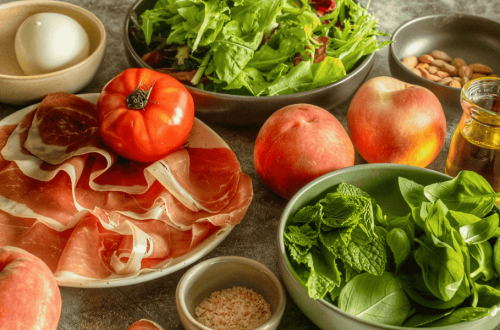
Flavor isn’t created in the kitchen so much as revealed there. Ingredients carry the imprint of how they were grown, harvested, and handled. A tomato picked ripe carries sweetness and acidity in balance, while one harvested early often tastes hollow. That contrast shows up immediately, even before heat or seasoning enters the picture.
High-quality ingredients arrive with flavor already layered and complete. Cooking becomes an act of support rather than construction. Instead of building taste through sauces or spices, the focus turns to protecting what’s already present. That protection leads to cleaner, more confident food.
Fewer Steps, Clearer Results
Good ingredients simplify cooking by reducing the need for intervention. A fresh vegetable doesn’t need peeling away of flaws or heavy masking. A well-raised piece of meat responds predictably to heat without excessive marinating. Each step feels purposeful instead of corrective.
This simplicity creates momentum. Cooking flows because fewer decisions are required. The process feels intuitive rather than procedural. Ingredient quality clears the path so the cook can move forward without hesitation.
Texture Becomes Reliable
Texture often separates satisfying food from forgettable food. Quality ingredients maintain structure under heat. Vegetables stay crisp where intended, proteins remain tender instead of fibrous, and grains cook evenly. That reliability allows timing to feel natural rather than rushed.
Lower-quality ingredients break down unpredictably. They soften too quickly or resist cooking altogether. Managing those inconsistencies adds stress. Good ingredients remove that friction by behaving as expected.
Seasoning Shifts From Rescue to Refinement
Seasoning plays a different role when ingredients are strong. Salt enhances rather than compensates. Acid brightens instead of overpowering. Fat rounds out flavors rather than smothering them. Each adjustment feels precise and restrained.
With poor ingredients, seasoning becomes a rescue operation. Layers pile on in an attempt to create interest. That effort rarely produces balance. Ingredient quality allows seasoning to remain subtle and intentional.
Aroma Sets the Tone Early
Smell shapes expectations before the first bite. High-quality ingredients release aroma naturally. Fresh herbs perfume the air as soon as they’re cut. Fresh fruit announces itself without assistance. Those cues prepare the senses for what’s coming.
Ingredients lacking quality stay quiet. They need heat, fat, or spice to generate aroma. That delay flattens anticipation. Strong ingredients begin the conversation early, inviting attention and curiosity.
Confidence Grows With Consistency
Consistent ingredients produce consistent results. That reliability builds confidence over time. Knowing how food will respond reduces anxiety and encourages experimentation. Each successful meal reinforces trust in both ingredients and instincts.
Inconsistent quality undermines that trust. Outcomes vary even when methods stay the same. That unpredictability discourages creativity. Ingredient quality stabilizes the learning process, allowing skills to develop steadily.
Waste Becomes Personal
Good ingredients highlight waste because their value is obvious. Throwing away something vibrant feels significant. That awareness encourages better planning and more thoughtful use. Leftovers become opportunities rather than afterthoughts.
Lower-quality ingredients make waste easier to ignore. Discarding something already compromised feels inconsequential. Quality fosters respect. That respect influences habits both in and out of the kitchen.
Cooking Becomes More Physical
Handling quality ingredients engages the senses. Firm vegetables, fragrant herbs, and supple dough provide tactile feedback. That physical connection grounds cooking in the body rather than the head. Movements feel responsive instead of cautious.
Poor-quality ingredients dull that experience. Textures feel lifeless or unpredictable. Engagement drops. Ingredient quality restores the physical pleasure of cooking, making it feel immersive rather than mechanical.
Heat Works More Predictably
Heat interacts differently with good ingredients. Moisture levels, density, and structure remain balanced. Searing produces browning instead of steaming. Roasting caramelizes rather than dries out. That predictability simplifies timing.
Inferior ingredients often fight heat. They release excess water or burn unevenly. Managing those reactions requires constant attention. Quality ingredients cooperate, allowing heat to do its job cleanly.
Recipes Become Flexible
Strong ingredients loosen the grip of recipes. Measurements feel adjustable. Substitutions make sense. Cooking becomes responsive to what’s available rather than constrained by instructions. That flexibility encourages confidence.
With weaker ingredients, deviation feels risky. Recipes become rigid frameworks designed to compensate. Quality ingredients empower improvisation. The kitchen becomes a space for judgment rather than obedience.
Cultural Dishes Rely on Ingredient Integrity
Many traditional dishes depend on ingredient quality more than complexity. Simple preparations highlight what’s fresh and local. Those dishes evolved around ingredients that didn’t need disguising. Recreating them successfully depends on honoring that foundation.
Using inferior ingredients distorts those dishes. Techniques alone can’t restore authenticity. Ingredient quality carries cultural meaning. Respecting that meaning preserves the spirit of the food.
Emotional Satisfaction Deepens
Meals made with quality ingredients feel nourishing beyond taste. They satisfy without heaviness. The body responds positively, and the mind relaxes. That response lingers after the meal ends.
Overworked or artificial ingredients often leave a sense of fatigue. Satisfaction feels shallow or fleeting. Quality supports comfort and pleasure simultaneously. That balance strengthens the emotional connection to food.
The Role of the Cook Evolves
Good ingredients reposition the cook as a steward rather than a fixer. Decisions focus on timing and restraint. The cook listens instead of imposing. That relationship feels collaborative.
Lower-quality ingredients demand control. Techniques aim to dominate rather than support. Cooking becomes effortful. Ingredient quality softens that dynamic, making the process feel respectful and calm.
Shopping Shapes Cooking Outcomes
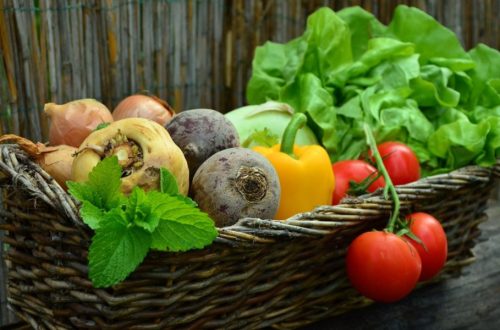
Ingredient quality begins before the kitchen. Selecting food with care influences everything that follows. Color, smell, and firmness provide information that no recipe can replace. Shopping becomes part of the creative process.
That attention pays dividends later. Cooking decisions feel informed rather than reactive. Ingredient quality turns shopping into an extension of cooking rather than a separate task.
Time Feels Different in the Kitchen
Quality ingredients change the perception of time. Prep feels purposeful rather than tedious. Cooking unfolds at a steady pace. There’s less rushing and fewer corrections.
With poor ingredients, time feels compressed. Steps multiply. Mistakes require backtracking. Quality restores a sense of ease. Time becomes an ally instead of a constraint.
Teaching and Learning Improve
Teaching cooking with good ingredients clarifies fundamentals. Heat response, seasoning effects, and timing become visible. Learners can focus on technique without fighting variables. Progress feels tangible.
Poor ingredients obscure cause and effect. Mistakes become harder to diagnose. Ingredient quality supports clearer learning. Skills develop faster and with less frustration.
Health and Comfort Intersect
Quality ingredients often undergo less processing. They retain nutrients and natural balance. Meals feel satisfying without excess. Comfort follows naturally.
Heavily processed ingredients can disrupt that balance. They encourage over-seasoning and overconsumption. Ingredient quality supports moderation without effort. Health becomes a byproduct rather than a goal.
Creativity Finds Room to Breathe
Creativity thrives when constraints feel supportive rather than limiting. Quality ingredients provide a strong starting point. Ideas build organically. Cooking feels exploratory.
Weak ingredients stifle creativity. Energy goes toward problem-solving rather than expression. Quality frees attention for experimentation. The kitchen becomes a place of play.
Consistency Across Meals
High-quality ingredients create consistency across different dishes. Skills transfer more easily. Success in one context informs another. Confidence compounds.
Inconsistent ingredients disrupt that transfer. Lessons don’t carry over cleanly. Ingredient quality stabilizes growth. Cooking improves steadily rather than sporadically.
Respect for Simplicity Grows
Working with good ingredients cultivates respect for simplicity. Complexity feels unnecessary. A few well-executed steps outperform elaborate constructions. That restraint becomes satisfying.
Lower-quality ingredients tempt excess. More steps seem necessary. Ingredient quality shifts priorities. Simplicity becomes a strength rather than a compromise.
The Table Experience Changes
Meals made with quality ingredients invite slower eating. Flavors unfold naturally. Conversation flows. The table feels relaxed.
Food made from inferior ingredients often demands distraction. Strong sauces or heavy seasoning compete for attention. Quality ingredients support presence. The meal becomes an experience rather than an event.
Long-Term Habits Improve
Over time, cooking with quality ingredients reshapes habits. Shopping choices change. Preparation becomes intentional. Meals feel worth the effort.
That momentum builds. Cooking becomes regular rather than occasional. Ingredient quality supports sustainability in home cooking. Habits align naturally with enjoyment.
Final Thoughts
Ingredient quality changes everything because it influences every stage of cooking and eating. It shapes flavor, texture, confidence, and emotional response. Techniques and recipes matter, but they operate within the limits set by ingredients. Quality raises those limits quietly and decisively.
A kitchen grounded in good ingredients feels calm and capable. Meals become expressions of care rather than demonstrations of skill. The impact extends beyond the plate, shaping habits and experiences over time. Ingredient quality doesn’t complicate cooking; it clarifies it.