Fresh ingredients quietly determine the success of most meals long before any recipe enters the picture. In my kitchen, the most satisfying dishes rarely come from complex instructions or elaborate techniques. They come from ingredients that smell alive, feel firm, and carry natural flavor without needing much help. Recipes guide structure, but ingredients decide whether a meal feels memorable or forgettable.
Cooking becomes simpler and more rewarding when ingredients do the heavy lifting. A ripe tomato, a fresh bunch of herbs, or a piece of fish handled properly can transform the most basic preparation into something special. Over time, it became clear that effort spent sourcing and handling ingredients pays off far more than effort spent chasing complicated methods. Freshness changes how food behaves, tastes, and even how it makes people feel at the table.
Flavor Begins Before the Stove
Flavor doesn’t start with heat or seasoning. It begins at the point where ingredients are harvested, stored, and handled. Fresh ingredients arrive with natural balance already intact, requiring less manipulation to taste good. That balance gives cooks room to be gentle rather than forceful.
Older or tired ingredients often demand aggressive seasoning or heavy sauces to compensate. Fresh ones stand comfortably on their own. That difference shapes every decision that follows. Cooking feels calmer when ingredients aren’t fighting back.
Simplicity Reveals Quality
Simple preparations expose the true nature of ingredients. A lightly dressed salad or a quickly sautéed vegetable leaves nowhere for flaws to hide. Fresh produce shines under those conditions, offering clarity and depth without effort. Complexity becomes optional rather than necessary.
I’ve noticed that fresh ingredients invite restraint. There’s less temptation to layer flavors unnecessarily. The food communicates clearly, and the cook responds by stepping aside. That dialogue creates meals that feel honest and satisfying.
Texture as an Unsung Hero
Texture plays a huge role in enjoyment, often subconsciously. Fresh ingredients deliver crispness, juiciness, and tenderness that processed or aging ones struggle to match. That textural contrast keeps meals engaging even with minimal seasoning. Each bite feels intentional rather than dull.
Wilted greens or stale produce flatten that experience. No amount of clever technique fully restores lost texture. Freshness preserves structure, and structure shapes pleasure. That physical response matters as much as taste.
Aroma Sets Expectations
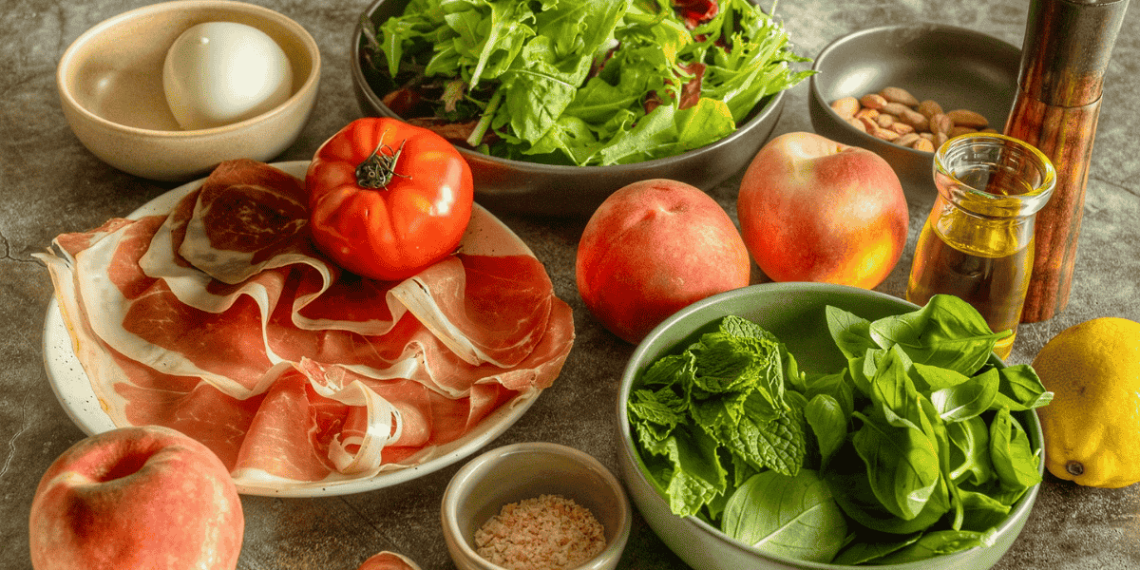
Smell shapes perception before the first bite. Fresh herbs release fragrance the moment they’re cut. Ripe fruit fills a room with sweetness without being touched. Those aromas prime the senses and raise expectations naturally.
Ingredients that lack aroma force cooks to manufacture excitement elsewhere. Fresh ones announce themselves confidently. That sensory head start influences how the entire meal is received. Aroma becomes an invitation rather than a warning.
Fewer Steps, Better Results
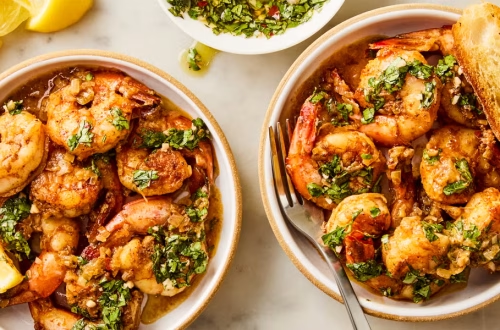
Fresh ingredients shorten the path to good food. They reduce the need for marinating, masking, or overworking. A fresh piece of fish needs only heat and restraint. A just-picked vegetable needs little more than salt.
This simplicity saves time and mental energy. Cooking feels direct rather than procedural. Recipes become suggestions instead of rules. Freshness allows intuition to take the lead.
Seasoning Works Harder With Freshness
Salt, acid, and fat behave differently with fresh ingredients. They enhance rather than rescue. A pinch of salt draws out sweetness instead of highlighting bitterness. Acid brightens rather than overwhelms.
With tired ingredients, seasoning becomes corrective. With fresh ones, it becomes supportive. That distinction changes how seasoning decisions feel. Adjustments become subtle rather than desperate.
Freshness Builds Confidence
Confidence grows when results are predictable. Fresh ingredients respond consistently to heat and handling. That reliability reinforces trust in both the food and the cook. Each success encourages the next.
Inconsistent ingredients undermine that trust. Results vary despite following the same steps. Freshness stabilizes outcomes, making cooking feel less risky. Confidence thrives on that stability.
The Illusion of Complexity
Fancy recipes often promise transformation through technique. They suggest that skill can replace ingredient quality. In reality, complexity often compensates for lack of freshness. Layers of steps mask what ingredients fail to deliver.
I’ve cooked elaborate recipes that impressed visually but felt hollow. The missing element wasn’t technique; it was vitality. Fresh ingredients make complexity optional rather than essential. That realization reshapes priorities quickly.
Seasonal Ingredients Know Their Role
Seasonal ingredients arrive when conditions favor their flavor. They don’t need forcing or manipulation. Cooking with them feels cooperative rather than corrective. The food seems to know what it wants to become.
Out-of-season ingredients often require extra steps to approximate flavor. That effort rarely matches the result. Seasonal freshness simplifies decisions and improves outcomes. Timing becomes an ally rather than an obstacle.
Fresh Ingredients Encourage Presence
Handling fresh food demands attention. Washing greens, slicing ripe fruit, or trimming herbs engages the senses. That engagement pulls focus into the moment. Cooking becomes immersive rather than mechanical.
Processed or heavily preserved foods dull that interaction. Freshness invites awareness. That presence affects both mood and outcome. Meals prepared attentively tend to feel more satisfying.
Waste Becomes More Visible
Fresh ingredients highlight waste because their quality is obvious. Throwing away something vibrant feels more significant than discarding something already compromised. That awareness encourages better planning and respect for food.
Cooking with freshness fosters mindfulness. Portions feel intentional, and leftovers get valued. Fancy recipes can distract from that awareness. Freshness brings responsibility back into focus.
Cultural Cooking Relies on Freshness
Many traditional cuisines prioritize ingredient quality over complexity. Dishes evolved around what was fresh and available. Techniques supported ingredients rather than overshadowed them. That balance remains evident in the food.
Recreating those dishes with inferior ingredients often misses the point. Freshness carries cultural context and intention. Recipes alone can’t supply that depth. Ingredients tell the story.
Freshness Reduces Fatigue
Heavy, overworked food can feel tiring to eat. Fresh ingredients digest more comfortably and feel lighter on the palate. Meals feel satisfying without being exhausting. That balance supports enjoyment rather than indulgence.
Fancy recipes sometimes prioritize richness over clarity. Freshness restores equilibrium. Eating becomes pleasurable without excess. That difference affects how people feel long after the meal ends.
Adaptability in the Kitchen
Fresh ingredients adapt easily to improvisation. Their flavors are clear, making substitutions intuitive. Cooking becomes flexible rather than rigid. That adaptability encourages creativity.
Complex recipes resist change. Deviations feel risky. Freshness allows cooks to trust instincts. The kitchen becomes a place of exploration rather than execution.
Teaching and Sharing Food
Fresh ingredients make teaching easier. Techniques become clearer when ingredients behave as expected. Learners can focus on fundamentals rather than troubleshooting. That clarity builds skill faster.
Sharing meals made with fresh ingredients communicates care. Guests notice vibrancy even if they can’t articulate it. The food feels generous and thoughtful. That impression matters more than presentation tricks.
Emotional Connection to Meals
Food connects people emotionally. Fresh ingredients carry energy that translates into comfort and pleasure. Meals feel nurturing rather than performative. That emotional response lingers.
Fancy recipes can impress, but freshness resonates. The memory of a simple, delicious meal often outlasts a complicated one. Emotional satisfaction comes from authenticity. Freshness supports that authenticity naturally.
The Role of the Cook Changes
With fresh ingredients, the cook becomes a caretaker rather than a controller. Decisions revolve around preservation and enhancement. That role feels collaborative. Cooking becomes a dialogue with the food.
Fancy recipes position the cook as a technician. Precision replaces intuition. Freshness shifts that dynamic. Respect replaces domination. That change alters the entire experience.
Shopping Becomes Part of Cooking
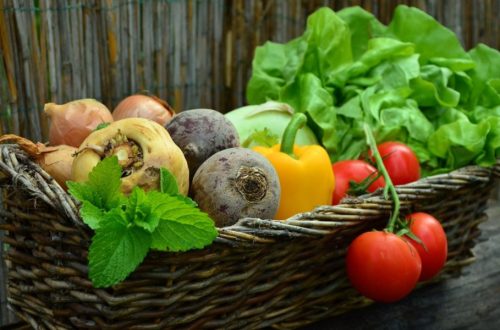
Freshness starts before the kitchen. Shopping becomes an extension of cooking rather than a separate chore. Paying attention to color, smell, and texture informs later decisions. The meal begins at selection.
Recipes fade into the background during this process. Ingredients dictate direction. That connection strengthens confidence and satisfaction. Cooking feels grounded from the start.
Less Stress, More Enjoyment
Fresh ingredients reduce stress by simplifying choices. Fewer steps mean fewer chances for error. Cooking feels forgiving rather than fragile. That ease encourages more frequent home meals.
Fancy recipes often introduce pressure. Timelines tighten and mistakes feel costly. Freshness softens those edges. Enjoyment replaces anxiety.
Final Thoughts
Fresh ingredients matter more than fancy recipes because they shape every aspect of cooking and eating. They influence flavor, texture, confidence, and emotional response. Recipes can guide, but they can’t replace vitality. Freshness provides a foundation that technique alone can’t build.
A kitchen rooted in fresh ingredients feels honest and flexible. Meals become expressions of care rather than displays of skill. That shift changes how cooking feels day after day. In the end, freshness doesn’t complicate food; it sets it free.