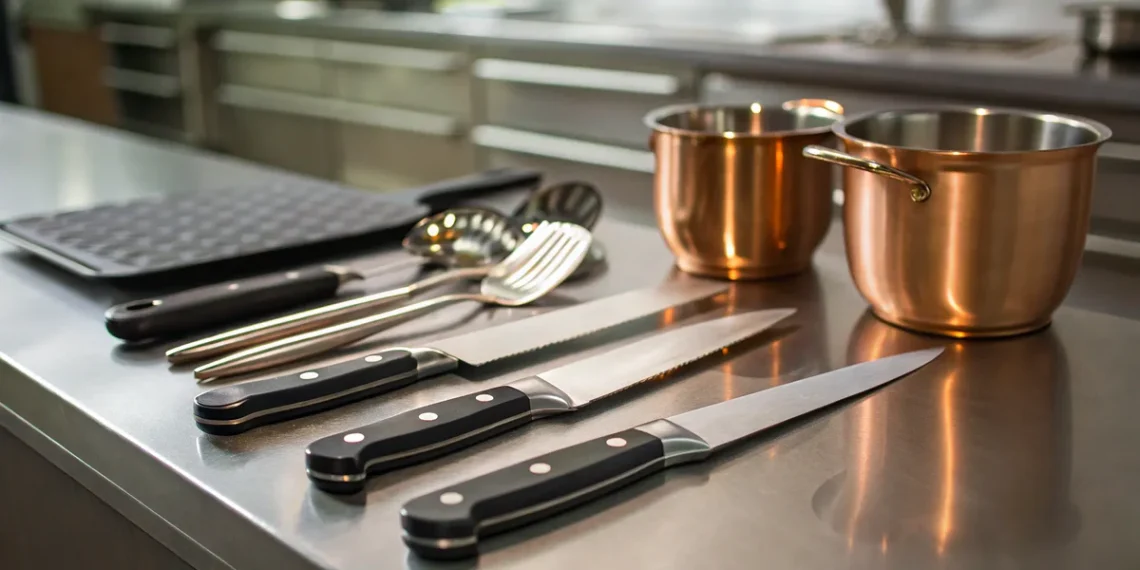
Old kitchen tools have a way of quietly overstaying their welcome. They sit in drawers and on counters, doing just enough to avoid scrutiny while slowly making cooking harder than it needs to be. I’ve learned that replacing tools isn’t about chasing shiny new things, but about recognizing when an object has stopped supporting the way I cook. Ignoring those signs usually leads to frustration, uneven results, and a kitchen that feels heavier than it should.
Cooking thrives on rhythm and confidence, and worn-out tools disrupt both. A knife that slips, a pan that heats unevenly, or a spatula that bends at the wrong moment all chip away at enjoyment. Over time, those small annoyances add up. Paying attention to how tools behave has taught me when it’s time to let go and make space for something better.
How Daily Friction Signals a Problem
Friction shows up in subtle ways at first. Tasks that once felt smooth start requiring extra effort, extra focus, or extra patience. I notice it when prep takes longer than expected or when I have to compensate for a tool’s limitations instead of focusing on the food. That friction is rarely about skill; it’s often about the tool no longer doing its job well.
Cooking should feel cooperative. When tools resist rather than assist, they pull attention away from flavors and timing. Recognizing friction early helps prevent bigger frustrations later. Replacing a tool at the right moment restores ease and keeps cooking enjoyable.
Knives That No Longer Feel Predictable
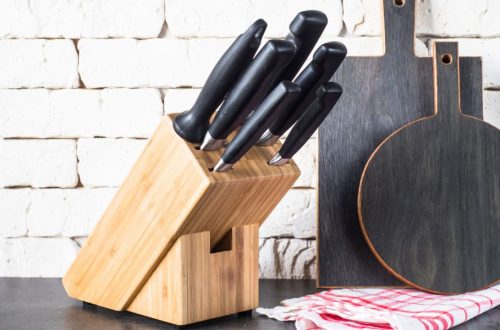
A knife tells the truth quickly. Cuts become inconsistent, and control starts to feel shaky. I’ve found that frequent sharpening can only go so far before the blade simply loses its integrity. When a knife refuses to hold an edge or feels awkward despite proper care, it’s usually past its prime.
Safety becomes a concern long before complete failure. A dull or warped blade encourages extra force, which increases the risk of slips. Replacing a knife at that stage isn’t indulgent; it’s practical. A reliable knife restores confidence and makes prep feel fluid again.
Cutting Boards Showing Structural Fatigue
Cutting boards wear down in ways that are easy to ignore. Deep grooves, persistent odors, and warped surfaces slowly change how ingredients behave during prep. I pay attention to how stable a board feels and whether it cleans properly after use. When stability disappears, precision suffers.
Hygiene matters just as much as performance. Boards that trap moisture or smells no longer support clean cooking. Replacing them improves both safety and enjoyment. A fresh board creates a clean slate that invites better habits.
Cookware That Fights Heat Instead of Managing It
Pans reveal their age through heat behavior. Hot spots, peeling coatings, or warped bases turn cooking into a guessing game. I’ve learned to notice when food cooks unevenly despite proper technique. That inconsistency usually points to cookware that has reached the end of its useful life.
Good cookware responds quickly and predictably. When adjustments stop producing expected results, the tool is no longer reliable. Replacing worn pans brings back control and reduces stress at the stove. Consistency returns, and meals improve almost immediately.
Handles That Create Discomfort
Comfort plays a bigger role than many people admit. Handles that loosen, crack, or heat up unexpectedly interrupt focus. I notice discomfort most during longer cooking sessions when fatigue sets in faster than it should. That strain often traces back to poorly aging handles.
A tool that hurts to use discourages cooking altogether. Replacing it removes a physical barrier that quietly drains enjoyment. Comfortable handles support longer sessions and steadier movements. Cooking becomes sustainable again rather than something to endure.
Tools That Require Workarounds
Workarounds are a clear signal. When I start inventing little tricks to make a tool usable, it’s already failing. Propping, adjusting, or compensating takes mental energy that should go toward flavor and timing. Those habits creep in slowly and feel normal until replaced by ease.
A functional tool doesn’t demand negotiation. Replacing items that require constant adjustment simplifies the process. Simplicity restores focus and keeps the kitchen feeling welcoming. Less mental clutter leads to better results.
Measuring Tools That Drift From Accuracy
Accuracy matters more than it seems, especially in baking. Measuring cups and spoons wear out, warp, or lose markings over time. I’ve noticed recipes failing despite careful following, only to trace the issue back to inaccurate tools. That realization changes how I evaluate results.
Replacing measuring tools eliminates unnecessary doubt. Reliable measurements rebuild trust in recipes. Confidence returns when results match expectations. That consistency supports experimentation instead of discouraging it.
Appliances That No Longer Match Needs
Small appliances age in quieter ways. Motors weaken, controls become unreliable, and efficiency drops. I pay attention to whether an appliance still fits how I cook today, not how I cooked years ago. Mismatches create frustration even if the appliance technically works.
Replacing an appliance can feel significant, but holding onto an outdated one limits progress. Newer models often offer better control and reliability. When an appliance no longer supports current habits, replacement opens space for growth.
Tools That Complicate Cleanup
Cleanup stress lingers long after cooking ends. Tools that trap food, resist cleaning, or degrade with washing create reluctance to cook again. I’ve learned to notice dread at the sink as a sign that something needs to change. That dread often points to worn or poorly designed tools.
Replacing problematic items simplifies cleanup. Easier cleaning preserves positive momentum from cooking. Enjoyment shouldn’t end with frustration. Tools that clean well protect the entire experience.
Visual Wear That Affects Motivation
Appearance influences mood more than expected. Chipped, stained, or rusted tools subtly dampen enthusiasm. I notice motivation dip when the kitchen looks tired. Visual fatigue translates into emotional fatigue.
Replacing visibly worn tools refreshes the space. That refresh sparks renewed interest in cooking. A kitchen that looks cared for encourages better care in return. Motivation grows when the environment feels supportive.
When Repairs No Longer Make Sense
Repairing tools has limits. Tightening screws, replacing parts, or refinishing surfaces can extend life, but only temporarily. I’ve learned to recognize when repairs become repetitive. Constant fixing signals deeper structural issues.
At that point, replacement becomes more economical and less stressful. New tools offer reliability that repairs can’t restore. Letting go prevents ongoing frustration. Peace of mind often outweighs sentimental attachment.
The Emotional Weight of Letting Go
Letting go of old tools isn’t always easy. Some carry memories of meals and moments. I respect that attachment, but I also acknowledge when nostalgia interferes with function. Holding onto unusable tools burdens the kitchen.
Replacing them doesn’t erase memories. It honors them by making room for new experiences. Cooking evolves, and tools should evolve alongside it. Emotional clarity improves alongside physical function.
Storage Issues Caused by Aging Tools
Old tools often demand more space. Warped shapes, missing parts, or awkward designs complicate storage. I notice clutter increasing when tools no longer stack or fit properly. That clutter affects workflow.
Replacing bulky or damaged tools streamlines storage. Space opens up, and movement becomes easier. An organized kitchen supports efficient cooking. Storage harmony reflects tool quality.
Safety Concerns That Shouldn’t Be Ignored
Safety warnings appear before accidents. Cracks, loose parts, or unstable bases create risk. I pay attention to near-misses and close calls. Those moments signal that a tool is no longer safe.
Replacing unsafe tools is non-negotiable. Safety underpins enjoyment. Confidence returns when risk is removed. Cooking feels relaxed instead of tense.
Tools That Limit Skill Growth
Some tools cap progress. They restrict technique or fail to respond accurately. I’ve noticed stagnation when tools don’t allow refinement. Growth stalls when equipment can’t keep up.
Replacing limiting tools supports skill development. Better feedback encourages improvement. Cooking becomes a learning process again. Progress renews enthusiasm.
Frequency of Use as a Replacement Indicator
Usage patterns reveal a lot. Tools that sit untouched often do so for a reason. I reflect on why certain items are avoided. Discomfort, inefficiency, or poor results usually explain avoidance.
Replacing underused tools with better alternatives reintegrates them into daily cooking. Frequency increases when tools feel right. Active tools justify their space. The kitchen becomes more dynamic.
The Cost of Delaying Replacement
Delaying replacement has hidden costs. Time, energy, and ingredients suffer. I’ve wasted food compensating for failing tools. That waste adds up faster than replacement costs.
Replacing at the right time saves resources. Efficiency improves, and mistakes decrease. Investing in function pays off quietly. Long-term value outweighs short-term hesitation.
Environmental Considerations in Replacement
Replacement doesn’t have to mean wastefulness. I consider recycling, donating, or repurposing when possible. Responsible disposal matters. Conscious replacement aligns with sustainable habits.
Choosing durable replacements reduces future turnover. Longevity becomes part of the decision. Thoughtful choices balance function and responsibility. Sustainability and enjoyment can coexist.
Listening to Intuition in the Kitchen
Intuition develops through experience. I trust gut feelings when a tool feels wrong. Persistent annoyance usually points to a valid issue. Ignoring intuition prolongs discomfort.
Replacing based on intuition restores harmony. The kitchen feels aligned again. Trusting instincts supports better decisions. Cooking flows more naturally.
The Psychology of Flavor: Why Some Meals Feel More Satisfying
Flavor perception connects closely to the cooking experience. Meals prepared with ease often taste better. Stress and frustration dull attention to seasoning and timing. Tools influence that emotional state.
Replacing problematic tools improves mood during cooking. Calm focus enhances flavor judgment. Satisfaction grows from both taste and process. Enjoyment amplifies results.
Final Thoughts
Knowing when it’s time to replace old kitchen tools comes from paying attention. Friction, discomfort, and inconsistency all send clear messages. Replacing tools isn’t about excess; it’s about restoring balance and confidence.
A well-functioning kitchen supports creativity and pleasure. Letting go of worn tools opens space for better experiences. Cooking feels lighter, safer, and more satisfying. That shift makes every meal worth the effort.