Cooking aisles are designed to whisper promises of ease and efficiency. Each shelf suggests that better meals are just one more purchase away, neatly packaged in plastic and steel. I’ve spent enough time cooking to know that most of those promises fade quickly once the tool ends up in a drawer. The real work of good food rarely depends on novelty, and the kitchen becomes calmer when it’s built around skill rather than gadgets.
Over time, I noticed that the meals I enjoyed cooking the most were rarely supported by specialized tools. They came together through repetition, attention, and familiarity with a few dependable pieces of equipment. Extra tools often added friction instead of removing it. Letting go of that clutter changed not only how my kitchen looked, but how cooking felt from start to finish.
The Myth of the Single-Purpose Solution
Single-purpose tools are seductive because they appear to solve very specific problems. A slicer for one vegetable or a press for one task feels efficient on the surface. In practice, these tools often take longer to retrieve, clean, and store than the task itself. A good knife usually accomplishes the same job with less hassle.
I’ve learned that flexibility matters more than specialization. Tools that do one thing well but nothing else rarely earn their space. They collect dust while versatile basics carry the workload. Cooking flows better when tools adapt to the cook rather than forcing the cook to adapt to them.
Electric Gadgets That Replace Simple Motions
Electric tools promise speed, yet many replace actions that already take seconds by hand. An electric can opener, for example, feels unnecessary once a manual one becomes second nature. The same goes for powered peelers or automatic stirrers. These devices often complicate simple tasks instead of streamlining them.
Relying on basic movements builds rhythm and confidence. Manual tools provide more control and feedback, which matters when precision counts. Electricity adds noise and maintenance without always adding value. The kitchen feels more grounded when movement, not motors, drives the process.
Oversized Appliances With Limited Use
Large appliances tend to dominate counter space while seeing occasional use. A bulky bread maker or dedicated rice cooker may sound appealing, but both replicate processes easily handled by existing cookware. Once the novelty wears off, these machines often become obstacles rather than assets. Space becomes precious quickly in an active kitchen.
I’ve found that stovetop methods offer more flexibility. Adjustments happen in real time, and results vary depending on preference rather than preset programs. Large appliances lock the cook into one method, while basic pots and pans encourage adaptation. Freedom often beats automation.
Specialized Pans That Duplicate Results
Pans designed for a single dish can seem like a shortcut to perfection. Omelet pans, pancake griddles, or sandwich presses promise consistent results. In reality, a well-seasoned skillet handles all of these tasks comfortably. Technique matters far more than the shape of the pan.
Learning how heat behaves in one reliable pan builds skill faster than switching between specialized surfaces. Familiarity leads to better control and fewer surprises. Extra pans increase storage needs and decision fatigue. Simplicity keeps attention where it belongs, on the food.
Tools That Complicate Cleaning
Some tools introduce more cleanup than benefit. Devices with multiple parts, tight crevices, or delicate mechanisms demand careful washing. The time spent cleaning often outweighs the time saved during cooking. That imbalance adds quiet resistance to using them again.
A tool earns its place by being easy to clean as well as effective. Smooth surfaces and simple designs encourage regular use. When cleanup feels effortless, cooking feels lighter. Avoiding complicated tools protects energy for the creative parts of the process.
Measuring Gadgets Beyond the Basics
Measuring tools multiply quickly in many kitchens. Scoops for specific volumes, digital portioners, and specialty measuring cups often duplicate what a basic set already provides. Precision matters in certain contexts, but excessive tools can slow things down. Familiar measurements become intuitive with practice.
Developing a sense of proportion reduces reliance on devices. Estimating by sight and touch becomes easier over time. Basic measuring cups and spoons handle most needs without clutter. Confidence grows when tools support instinct rather than replacing it.
The False Security of Automation
Automated tools offer reassurance that a process will handle itself. Timers, sensors, and programmed cycles suggest consistency. Yet automation can dull awareness and reduce engagement. Cooking thrives on observation and adjustment, not blind trust in presets.
I prefer tools that invite participation. Stirring, checking, and adjusting create connection with the food. Automated devices remove that relationship, sometimes at the cost of quality. Active cooking builds intuition that no machine can replicate.
Trend-Driven Tools That Age Poorly
Food trends inspire waves of new tools. Spiralizers, pop-up gadgets, and novelty cutters flood the market during peak popularity. Once the trend passes, these tools lose relevance. They linger as reminders of short-lived enthusiasm.
Timeless tools outlast trends. Knives, pots, and cutting boards remain useful regardless of what’s fashionable. Investing in fundamentals ensures longevity. Trends come and go, but core skills and tools stay relevant.
The Illusion of Professional Equipment
Professional-looking tools can feel like a shortcut to restaurant-quality results. Heavy gadgets and complex devices imply expertise. In reality, professionals rely on efficiency, repetition, and familiarity more than equipment. Their kitchens prioritize durability over novelty.
Replicating that mindset at home simplifies decisions. Reliable tools used often outperform impressive tools used rarely. Confidence grows through use, not appearance. A modest kitchen can produce exceptional food with the right approach.
Storage Problems Created by Excess Tools
Every extra tool demands storage space. Drawers fill quickly, cabinets overflow, and counters become crowded. This clutter creates friction before cooking even begins. Searching for space or digging through piles disrupts focus.
Reducing tools clears both physical and mental space. Fewer choices lead to smoother workflows. Each item has a purpose and place. The kitchen becomes easier to navigate, and cooking feels less like a logistical challenge.
Marketing Versus Reality in Kitchen Gear
Marketing thrives on highlighting problems that tools claim to solve. Advertisements exaggerate difficulty to justify solutions. In practice, many problems dissolve with experience rather than equipment. Skill replaces the need for specialized devices.
I’ve learned to question whether a tool solves a real issue or a perceived one. Often, practice addresses the root problem more effectively. Marketing appeals to impatience, while cooking rewards persistence. Recognizing this distinction saves money and space.
Tools That Replace Sensory Awareness
Some gadgets aim to replace judgment with indicators. Thermometers that beep, color-changing devices, or automated alerts shift focus away from observation. While these tools have their place, overreliance weakens sensory skills. Cooking becomes reactive instead of responsive.
Listening to sizzles, watching browning, and smelling aromas provide richer feedback. These cues guide decisions more fluidly than alarms. Trusting senses builds deeper engagement. Tools should support awareness, not override it.
Multipurpose Tools That Truly Earn Their Place
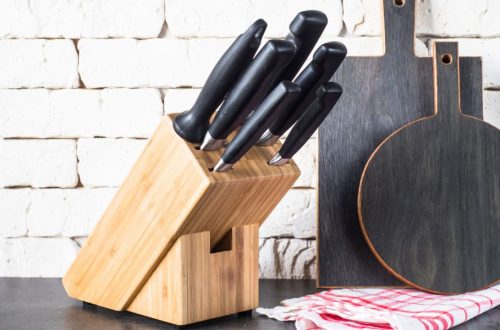
Not all tools are unnecessary. Some earn their space by handling many tasks well. A sharp chef’s knife, a sturdy pot, or a versatile skillet adapts to countless uses. These tools reduce the need for extras.
I’ve learned to value tools that invite creativity. They bend to different recipes and techniques. Their familiarity increases efficiency over time. Multipurpose tools create freedom rather than dependence.
The Psychology of Flavor: Why Some Meals Feel More Satisfying
Satisfaction often comes from how food is prepared, not the equipment used. Meals cooked with attention and ease carry a different energy. Tools that complicate the process can distract from that focus. Simpler setups allow concentration to stay on flavor and texture.
Cooking with fewer tools encourages presence. Each action feels intentional rather than mechanical. That mindset transfers to the final dish, shaping how it’s experienced. Flavor becomes more vivid when the process feels calm and connected.
The Cost of Accumulation
Beyond space, excess tools carry financial weight. Small purchases add up quietly over time. Money spent on rarely used gadgets could support better ingredients or quality basics. Redirecting resources changes priorities in the kitchen.
Investing in ingredients often yields greater returns. Fresh produce, good oils, and quality proteins elevate meals more reliably than gadgets. Tools should support ingredients, not overshadow them. Spending thoughtfully strengthens cooking from the ground up.
Skill as the Ultimate Kitchen Tool
Skills adapt across cuisines and situations. They travel easily and improve with use. Tools remain static, offering the same function regardless of context. Skill grows richer and more nuanced over time.
I’ve found that confidence in technique reduces the urge to buy solutions. Each challenge becomes an opportunity to learn rather than a reason to shop. Skills empower creativity and resilience. They remain useful long after tools wear out or break.
Letting Go Without Guilt
Letting go of unused tools can feel wasteful. Many were purchased with good intentions. Accepting that intentions change frees space and energy. Releasing clutter creates room for what actually supports cooking now.
Donation or resale gives tools a second life elsewhere. Clearing space renews the kitchen environment. Cooking feels lighter without unnecessary baggage. Guilt fades when usefulness becomes the guiding principle.
Final Thoughts
Kitchen tools promise efficiency, but too many of them often slow things down. Real progress in cooking comes from familiarity, observation, and repetition. A streamlined kitchen supports these qualities by reducing distraction and clutter.
Letting go of unnecessary tools brings focus back to the essentials. Skills sharpen, confidence grows, and cooking feels more personal. The kitchen becomes a place of intention rather than accumulation, and meals reflect that clarity every time.